Calving season is one of the most critical—and rewarding—times of the year for cattle farmers.
With the right preparation and a few modern tools, you can boost calf survival rates, improve herd health, and make life a little easier for yourself along the way. Here’s a roundup of best practices, backed by research and expert opinion, to ensure your next calving season is your best yet.
Article Chapters
1. Prepare Early and Stay Organised
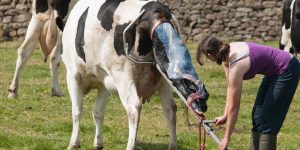
Success starts with preparation. Before calving begins, gather all necessary equipment: calving ropes, disinfectants, clean towels, gloves, and a reliable calving jack. Keep everything in a designated, easily accessible area. According to Mee (2004), having your tools ready can make the difference between a smooth delivery and an emergency situation.[1]
2. Monitor Closely for Signs of Labour
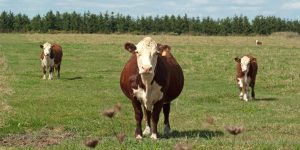
Recognizing the early signs of calving is crucial. Look for increased tail raising, restlessness, swollen vulva, and udder development. Research by Miedema et al. (2011) highlights the importance of timely intervention—especially if labour stalls for more than 2–4 hours in heifers or 1–2 hours in cows.[2] Prompt action can prevent complications and save both calf and cow.
3. Maintain a Clean, Stress-Free Environment
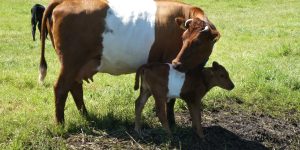
A clean, calm calving area reduces the risk of infection and stress for both cow and calf.
Regularly disinfect pens and ensure bedding is dry and plentiful. Calm handling is key—cows under stress are more likely to experience calving difficulties.
4. Intervene Only When Necessary
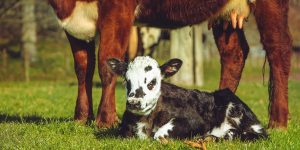
Most cows calve naturally without assistance. However, if there’s no progress within the recommended timeframes, or if you notice abnormal presentation, be ready to assist using proper techniques. When in doubt, call your vet—veterinary practitioners remain one of the most trusted sources of calving advice (Alarcon et al., 2014).[3]
5. Ensure Immediate Colostrum Intake
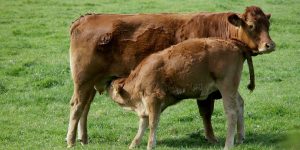
The first feeding is critical! Make sure every calf receives high-quality colostrum as soon as possible after birth to boost immunity and long-term health.
6. Keep Detailed Calving Records
Accurate records help you track herd performance, identify patterns, and make informed breeding decisions. Note calving dates, difficulties, interventions, and calf health.
—
Modern Calving: How Technology Makes a Difference
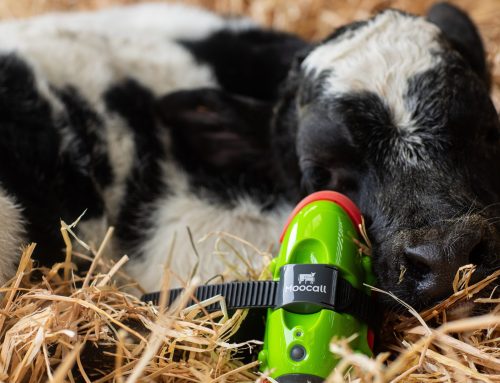
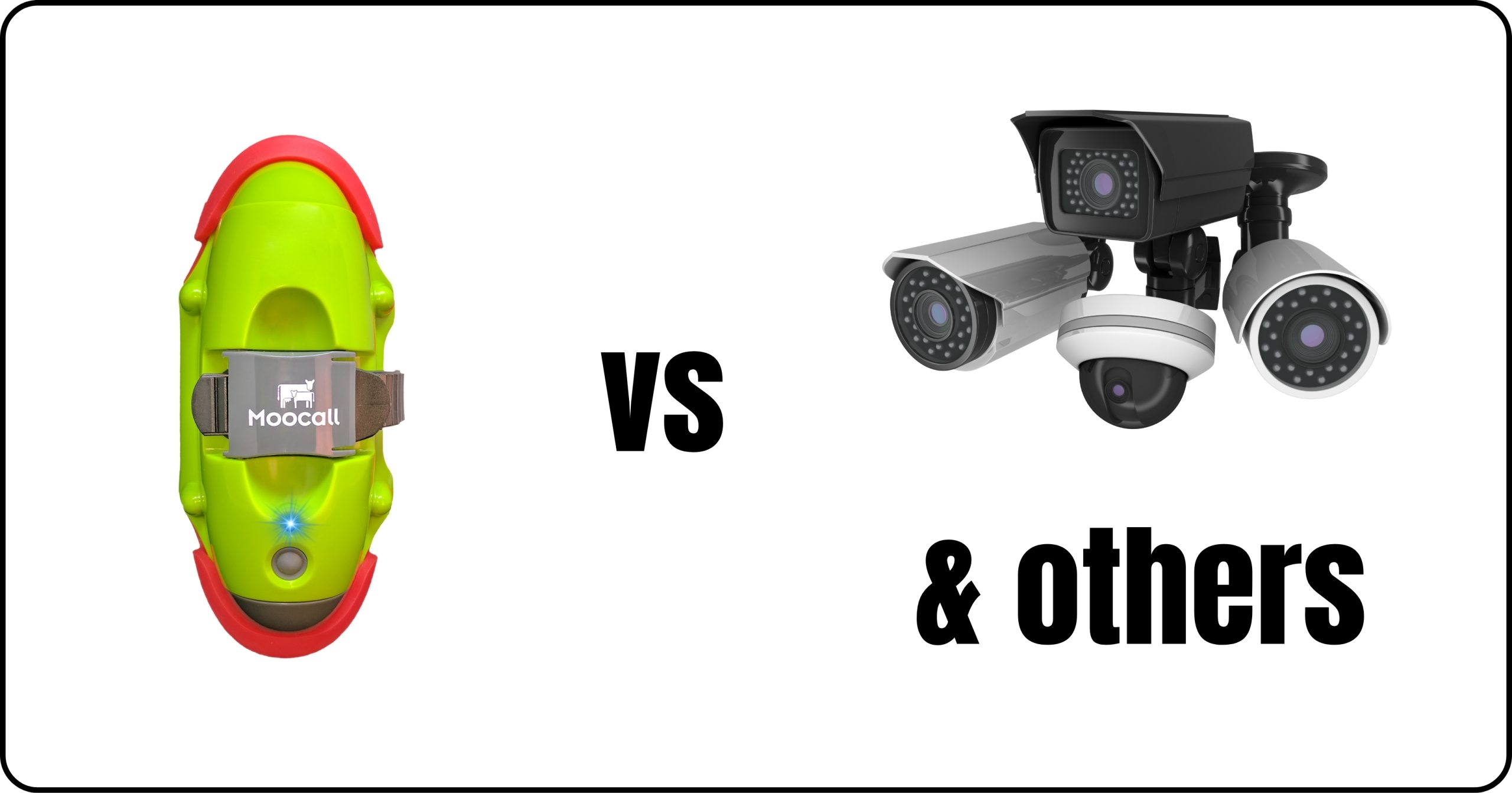
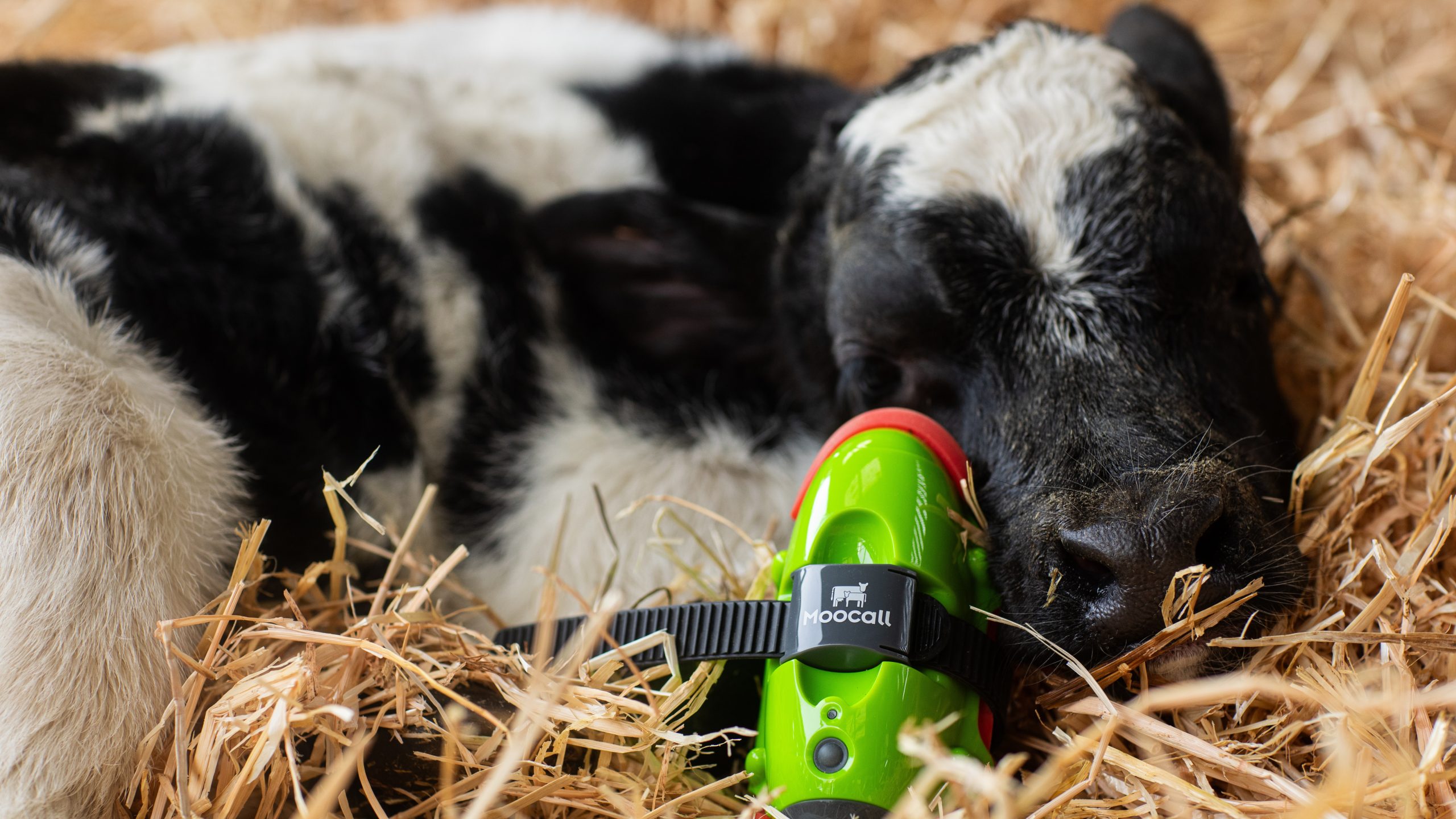
While traditional observation is invaluable, new technology can take the guesswork—and the sleepless nights—out of calving. The Moocall Calving Sensor is a non-invasive, tail-mounted device that monitors your pregnant cows and sends an SMS alert when calving is imminent. With 95% accuracy and a battery life of up to 30 days per charge, it’s like having an extra set of eyes on your herd 24/7.
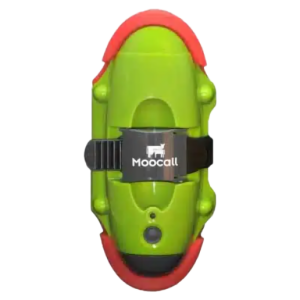
Why farmers love Moocall:
- No base station required—just attach and monitor
- Covers up to 40–50 cows per device
- Saves time and reduces stress by alerting you before calving starts
- Pays for itself by helping save calves and improving sleep for farmers
Recent studies have shown that automated monitoring devices, like the Moocall sensor, can significantly improve calving outcomes by enabling timely intervention (Ouellet et al., 2016).[4]
—
Final Thoughts
Calving doesn’t have to be stressful. With the right preparation, attention to best practices, and a little help from modern tech, you can protect your herd and your peace of mind. Here’s to a safe, successful calving season!
—
References
[1]: Mee, J. F. (2004). Managing the dairy cow at calving time. Vet. Clin. North Am. Food
Anim. Pract. 20:521–546. https://doi.org/10.1016/j.cvfa.2004.06.001
[2]: Miedema, H. M., et al. (2011). Behavioural predictors of the start of normal and dystocic calving in dairy cows and heifers. Appl. Anim. Behav. Sci. 132:14–19.
https://doi.org/10.1016/j.applanim.2011.03.003
[3]: Alarcon, P., et al. (2014). [Source details in full publication].
[4]: Ouellet, V., et al. (2016). Evaluation of calving indicators measured by automated monitoring devices. J. Dairy Sci. 99:1539–1548. https://doi.org/10.3168/jds.2015-10057.