
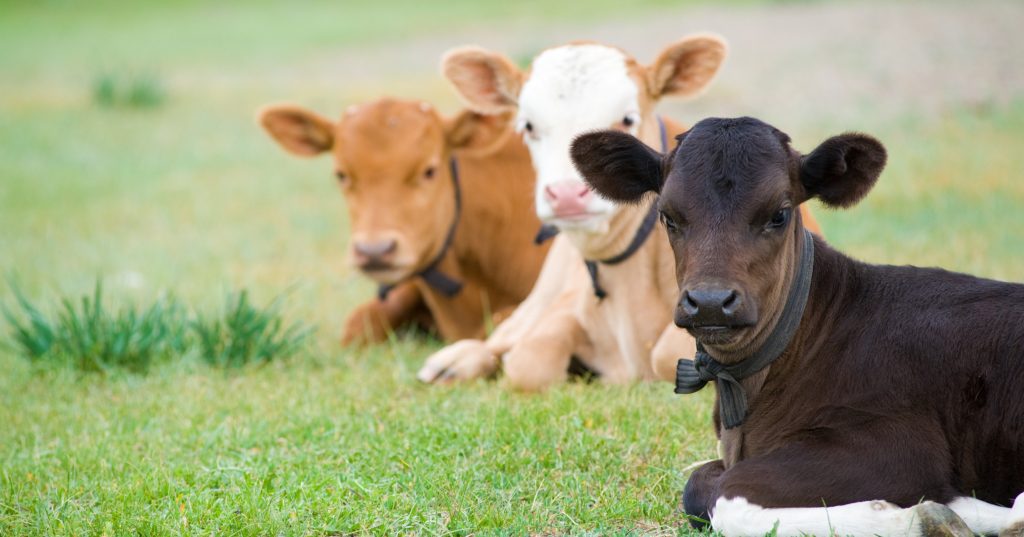
The end of calving season is something every cattle farmer looks forward to — the sleepless nights ease off, the paddocks settle down, and you finally get a chance to breathe. But before you hang up your boots and let the season fade into memory, there are a handful of tasks worth getting done now while everything is still fresh. A good close-out sets you up for a smoother, more profitable season next year.
Here is your practical post-season checklist.
Article Chapters
1. Review Your Calving Season Performance
Now is the time to sit down with your records — even if that means jotting a few notes on paper — and take stock of how the season went.
Look at your calf survival rate first. How many calvings did you have? How many required intervention? Were there patterns to the losses or difficult births? Being honest with yourself about what went wrong is the only way to address it.
Also note what worked. If you fitted your calving sensor earlier than usual this year and caught more calvings with time to spare, that is worth writing down. If certain cows gave you consistent trouble, flag them for closer management or culling decisions ahead of breeding season.
Even a brief review takes less than an hour and pays dividends when you are planning herd management for the year ahead.
2. Post-Calving Cow Health Checks
Cows have been through a significant physical event. The weeks immediately after calving are when problems tend to surface, and catching them early saves money and reduces suffering.
Work through your herd and check for:
- Retained placentas — if not already addressed, any cow that has not fully cleansed needs attention. Delayed treatment can lead to uterine infection and affect fertility.
- Body condition score (BCS) — cows that have dropped more than one BCS unit over calving need a targeted feeding plan before they go to the bull or AI.
- Mastitis — strip-test any cows that seem uncomfortable or have swollen quarters. Early detection makes treatment far more straightforward.
- Lameness — check for foot problems, particularly in housed cows transitioning to grass. Lameness in early lactation affects milk production and fertility.
Work through this systematically rather than waiting to notice problems. A healthy cow going into the breeding season is the foundation of next year’s calf crop.
3. Calf Health and Tagging
With the bulk of calvings behind you, now is a good time to make sure all your calf health tasks are in order before the calves head fully to pasture.
Run through the following:
4. Cleaning and Storing Your Moocall Calving Sensor
Your Moocall Calving Sensor has done its job for the season. Before you put it away, take five minutes to store it properly — it will make all the difference when you pick it up again in late summer or early autumn.
Here is how to do it correctly:
- Clean the device — wipe it down with a damp cloth to remove any dirt, debris, or moisture from the tail area. Do not submerge it in water or use harsh chemicals, as the device is IP54 rated and not designed for immersion.
- Charge it fully — plug the sensor in and bring it to a full charge before storage. Storing a lithium battery at a low charge level over several months degrades its capacity. A full charge going in means a full charge coming out.
- Store it somewhere dry — a cool, dry location away from direct sunlight and moisture is ideal. A shelf in the office, a tool cabinet, or a dry tack room all work well.
The sensor covers 40 to 50 cows per season per device, so if your herd size has grown or you want to extend your monitoring window next year, it is worth thinking now about whether you need an additional unit.
5. Renew Your Moocall Subscription Before Next Season
This is one that catches farmers out every year. The Moocall annual renewal — €166 in Ireland, £120 in the UK, and $150 in the USA — is easy to let lapse over the summer when calving feels like a distant concern.
The problem is that by the time September and October come around and you are thinking about early fitting, a lapsed subscription can slow you down at exactly the wrong moment.
Renewing now locks in your rate and means you are ready to go the minute you want to fit the sensor again. It takes a few minutes and you will not have to think about it again until next calving season.
If you bought a sensor this year and want to continue — or if you are ready to add a second unit — visit www.moocall.com to manage your subscription or get in touch with the team directly.
6. Plan for Next Season Now
The best time to think about next calving season is when the details of this one are still fresh. You do not need a full plan — just a few notes.
Consider the following:
- When should you fit the sensor? Most farmers see better results fitting the Moocall Calving Sensor two to three weeks ahead of expected calvings. Note the fitting date that worked for you this year, or the one you wish you had used.
- Did your SMS calving alert reach you reliably? If there were coverage issues in certain parts of your farm, address those before next season.
- Are there changes to your herd size or calving pattern? If you are running more cows or shifting your calving block, that affects how you plan monitoring.
A short note in your farm diary or a quick entry in your herd management records is enough. Future you will thank present you.
Get Ready for Next Season With Moocall
The end of calving season is a chance to catch your breath, sort the important jobs, and set yourself up well for the year ahead. Whether it is a cow health issue you want to get on top of, a calf that needs attention, or simply making sure your Moocall sensor is clean, charged, and ready to go, doing things right at the close of season matters.
If you have questions about your device, want to renew your subscription, or are thinking about getting your first Moocall Calving Sensor ahead of next season, the team is here to help.
Visit www.moocall.com or call us:
- Ireland: 01 9696 038
- UK: 0203 627 1126
- USA: 1 800 657 4291
