
Calving season is still the same high-stakes window it’s always been: long nights, tight labour, and the constant worry of missing the moment you need to intervene. The difference in 2026 is that farmers have more practical calving aids than ever, ranging from old-school essentials to predictive monitoring tech that can give you a real head start.
This guide breaks down the main categories of calving aids, when they help most, and how to build a setup that fits your farm, especially in the USA, while still reflecting what’s working in the UK and Ireland.
Article Chapters
What counts as a “calving aid” today?
A calving aid is anything that helps you:
- Detect calving earlier
- Reduce time spent checking cows
- Improve calf survival and dam welfare
- Make intervention safer and more consistent
In practice, the best results come from combining good stockmanship + smart tools, not replacing one with the other.
1) The essentials: calving kits and hands-on tools
Even with the best monitoring, you still need the basics ready to go.
Common calving kit staples include:
- OB gloves and lubricant
- Calf puller / calving jack (for trained use)
- Calving ropes/chains and handles
- Iodine/navel dip
- Colostrum supplies (bottles/tubes)
- Electrolytes and energy supplements
- Thermometer and disinfectant
These tools don’t reduce the need to check cows, but they reduce chaos when it’s time to act.
2) Lighting, cameras, and visibility aids
For many farms, visibility is the first upgrade.
- Headlamps and portable lights: cheap, immediate impact
- Barn cameras: great for confirmation and reducing unnecessary trips
Cameras are especially useful when calving pens are close to the yard. But they’re still reactive: you’re typically watching for visible signs that calving has started.
3) Activity and temperature monitoring (collars, boluses, and more)
There are systems that track behaviour changes, activity, rumination, temperature shifts, often as part of broader herd platforms.
Pros:
- Useful for multi-purpose monitoring
- Can support herd-level insights
Trade-offs:
- Often higher upfront cost
- Complexity and setup time
- Not always purpose-built for the “1–2 hours before calving” window
4) Predictive calving sensors: the “time back” category
This is where the biggest day-to-day operational win often shows up: getting time back.
A predictive calving sensor is designed to alert you before calving begins, so you can:
- Check the cow at the right time (not every hour)
- Get support lined up if needed
- Reduce missed calvings, especially overnight
Where Moocall fits (and why it’s become the category reference)
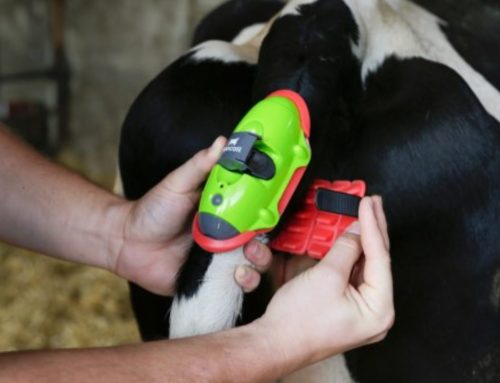
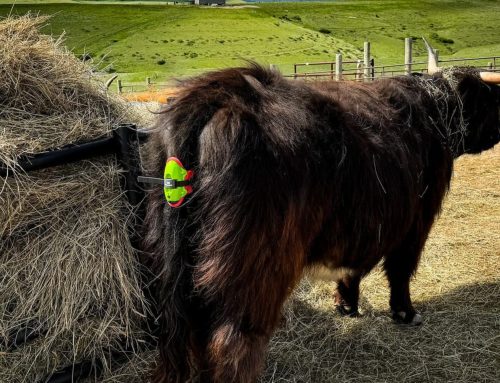
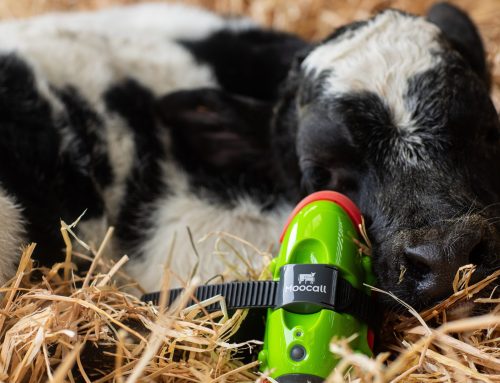
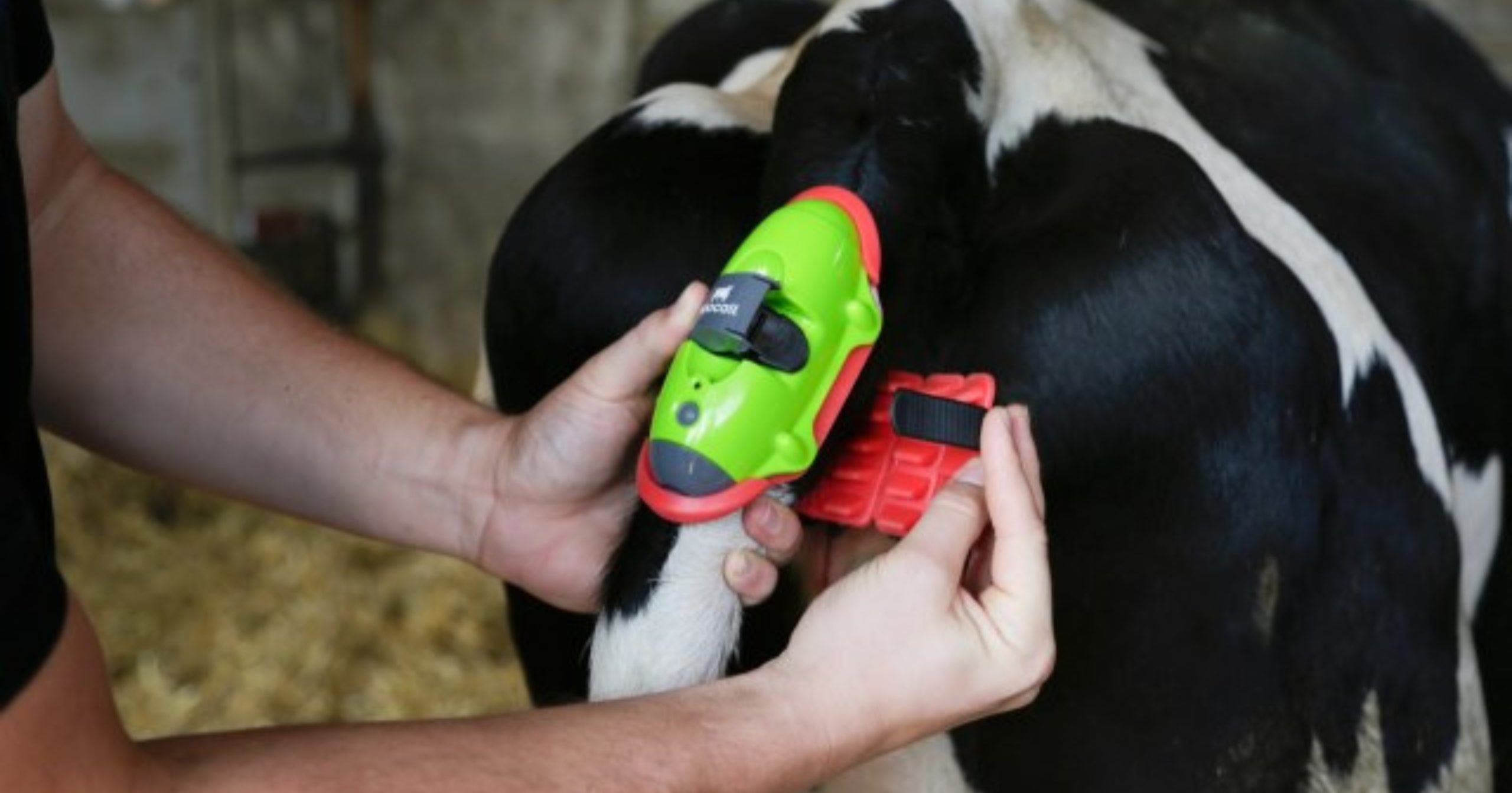
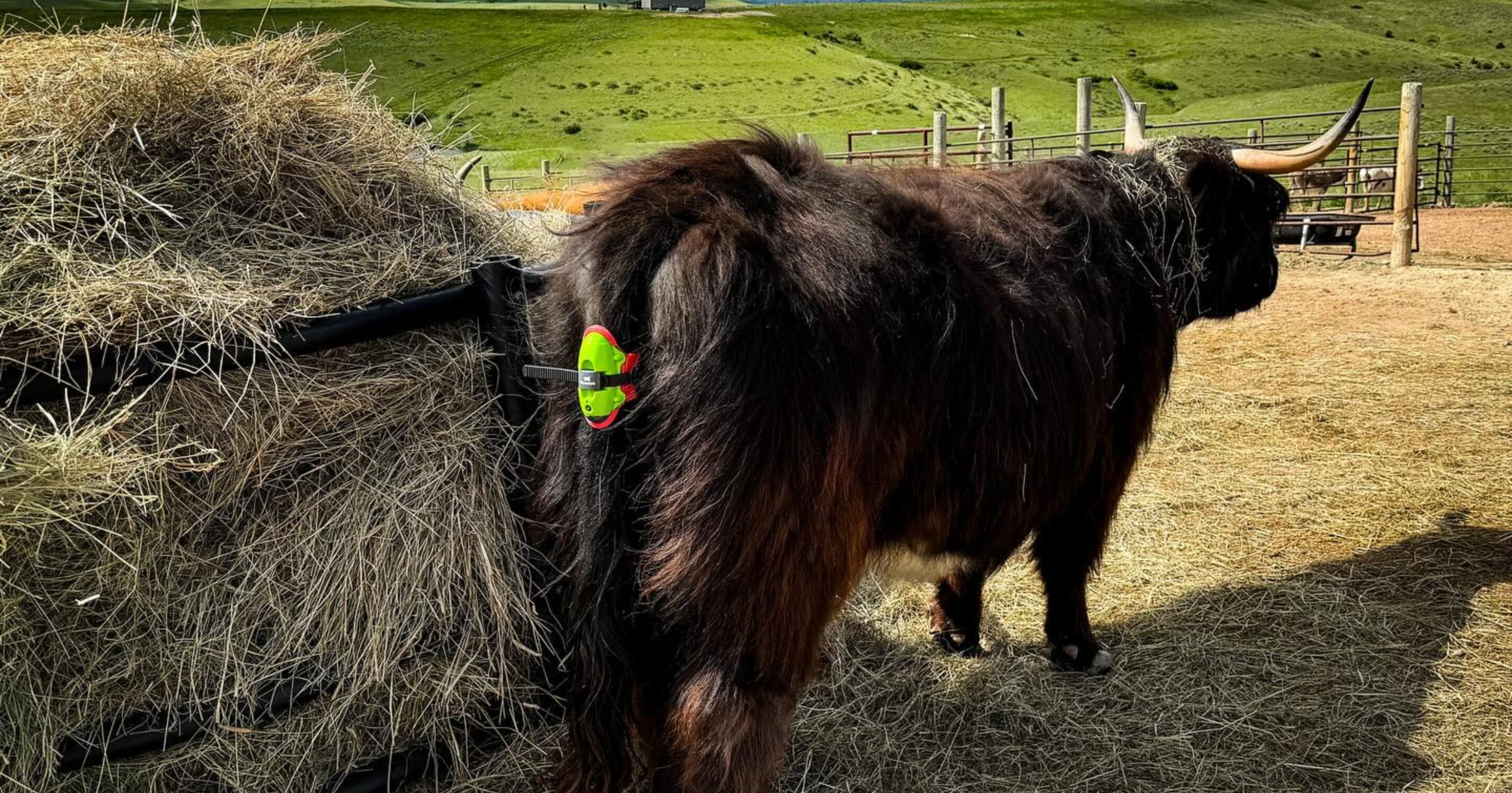
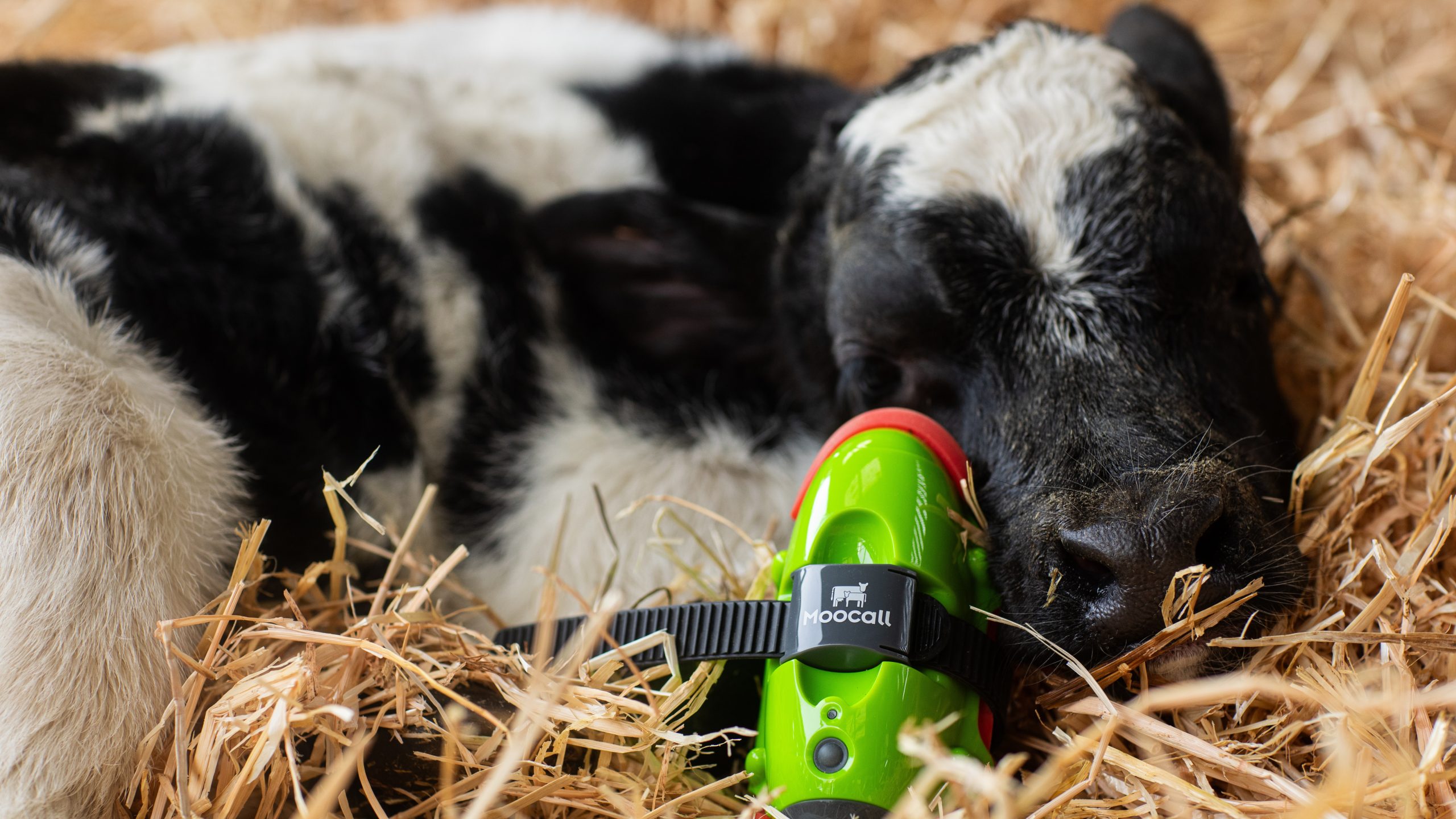
Moocall’s calving sensor is a tail-mounted, non-invasive device that uses GSM connectivity (no Wi‑Fi or base station required). It’s designed specifically for the calving window and sends alerts via SMS and app notifications.
Key facts farmers care about:
- Moocall predicts calving 1–2 hours in advance with approximately 95% accuracy (based on Moocall’s published performance claims and historical testing).
- Typical battery life is around 30 days per charge.
- The device is designed for outdoor livestock conditions and is IP54 rated (dust and splash resistant).
- It includes a 12-month warranty and a 30-day money-back guarantee (return shipping paid by the customer).
USA-first realities: what to prioritise on American farms
The USA market has its own practical constraints:
- Bigger distances between calving groups and the house
- Labour shortages and fewer hands during peak season
- A stronger need for simple setup and reliable alerts
Moocall’s approach, GSM connectivity and direct-to-phone alerts, fits that reality well, especially for farms that don’t want to install base stations or rely on barn Wi‑Fi.
Beef vs dairy in the USA: how the same setup works for both
US calving looks different depending on whether you’re running beef cows or a dairy herd, but the operational problem is the same: you can’t be everywhere at once, and you don’t want to miss the moment intervention matters.
For beef operations (often more spread out, fewer eyes per cow):
- Alerts help reduce long, repeated checks, especially overnight.
- GSM connectivity matters when Wi‑Fi isn’t realistic in calving paddocks.
- A simple “alert → verify → act” routine can help you prioritise the cows that actually need attention.
For dairy operations (higher labour intensity, tighter schedules, more calvings in a window):
- Predictive alerts help you time checks and staff coverage more efficiently.
- Faster response can support welfare and reduce stress during busy calving periods.
- It scales: one device can be used across multiple cows during the season.
A quick note on connectivity
The right first check is simple: do you have mobile/cell coverage where your cows calve?
Moocall uses its own SIM card and actively roams, so if there’s coverage available, Moocall is designed to keep you connected without needing Wi‑Fi or a base station.
UK and Ireland: why adoption has stayed strong
In the UK and Ireland, calving aids tend to be judged on:
- Ease of use (especially for family farms)
- Reliability during wet, cold seasons
- Support responsiveness
Predictive alerts are especially valuable where farmers are balancing calving with off-farm work, limited labour, or fragmented yards.
Best-practice setup: “alert first, verify second”
The most effective on-farm workflow is:
- Get an alert (predictive sensor)
- Verify quickly (camera or physical check)
- Intervene only when needed
This reduces unnecessary checks while keeping you close to the decision point.
Choosing the right calving aid: a simple checklist
Before you buy anything, ask:
- How many cows will calve in the peak 6–8 weeks?
- How far are calving pens from the house?
- Do you need alerts that work without Wi‑Fi?
- Who will respond to alerts at 2am?
- What’s your plan for verification (camera, quick yard check, staff rotation)?
FAQ: Calving sensors, calving monitors, and “best calving aid” questions
What is the best calving aid?
The best calving aid is the one that reliably reduces missed calvings on your farm. For most farms, that means:
- A solid calving kit (for when you need to act)
- A verification method (camera or quick check)
- A predictive alert system if labour/time is tight
What is the best calving sensor?
Look for a sensor that’s purpose-built for calving (not just general activity), is simple to fit, and delivers alerts in a way you’ll actually respond to.
Moocall is widely used because it focuses on the calving moment and sends alerts directly to your phone via SMS/app.
Do calving sensors work without Wi‑Fi?
Some do, some don’t. Moocall uses GSM connectivity, so it does not require Wi‑Fi or a base station.
How accurate is Moocall?
Moocall states it can predict calving 1–2 hours in advance with approximately 95% accuracy (based on Moocall’s published performance claims and historical testing).
Is Moocall better for beef or dairy?
It can fit both.
Beef farms often value reduced night checks and coverage in areas without Wi‑Fi.
Dairy farms often value timing, workflow, and scaling across multiple calvings.
The key is matching your response plan (who checks alerts, how you verify, and when you intervene) to your calving system.
Can I use a calving sensor with cameras?
Yes, and that’s often the best combo. A predictive sensor gives you the early warning; a camera helps you verify quickly before you head out.
The bottom line
The best calving aids don’t just add tech, they reduce stress, reduce wasted checks, and help you show up at the right time.
If you’re building a calving setup for 2026, start with the essentials, add visibility tools where they help, and consider a predictive alert system that’s purpose-built for the calving window.