Calf Rearing: Developing the Rumen
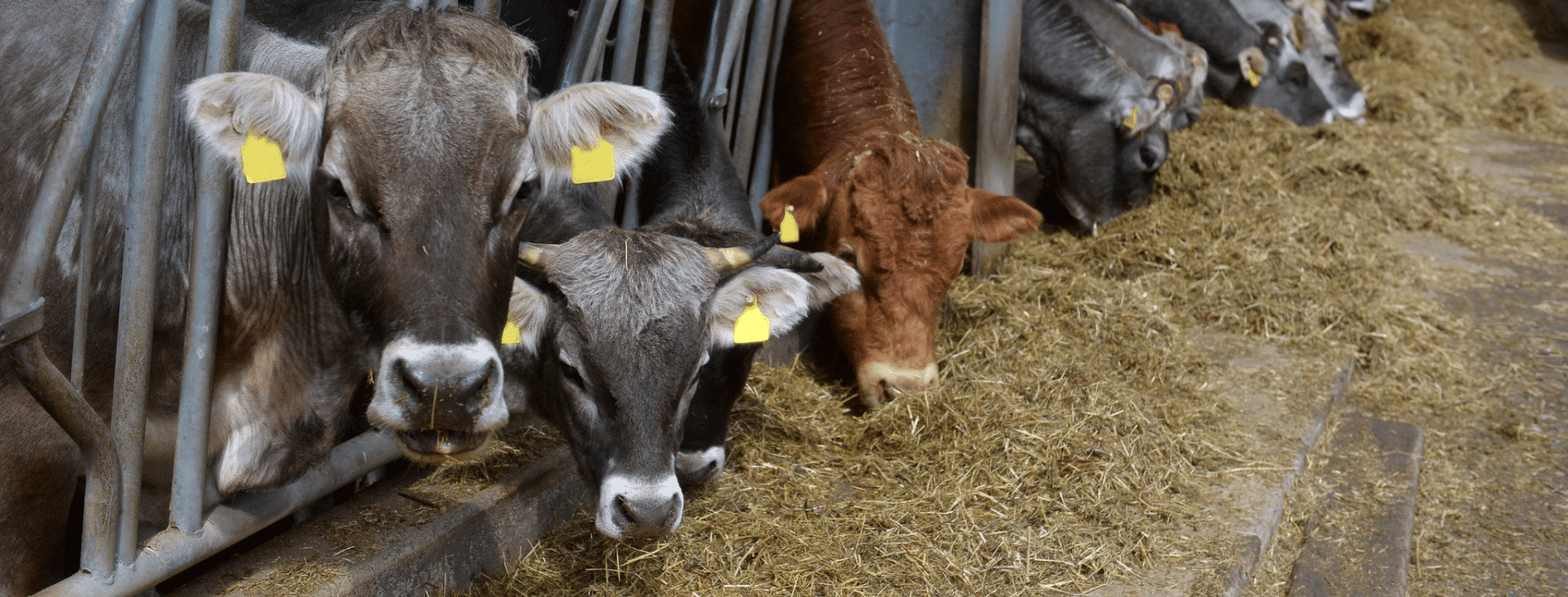
When a calf is born their digestive system is not fully developed yet, during the calf rearing phase one of the primary objectives is transitioning the calf from a milk based diet to a diet based on solid feed.

30-day money back guarantee
When a calf is born their digestive system is not fully developed yet, during the calf rearing phase one of the primary objectives is transitioning the calf from a milk based diet to a diet based on solid feed.
The Moocall Calving Sensor can greatly reduce the amount of time spent watching cows in the run up to calving, meaning you only have to be present as calving is taking place. This is fantastic news for farmers, but even when using a Moocall Calving sensor, nighttime calvings do take their toll, with some broken sleep or lack of sleep inevitable.
Colostrum, or what it is most commonly known as ‘beestings’, [...]
With calving season approaching, here's three of the key methods to prepare your Moocall Calving Sensor in advance of using the system.
As the saying goes, prevention is better than cure so here are some tips to help prevent common problems affecting newborn calves.
You may have noticed the section on your Moocall Breedmanager App called "Heat Exclusion Zones" and wondered what does this feature do?
How to ensure top performance with the Moocall Calving Sensor.
1: Fly spray on tail
2: Get red rubber
3: Make sure it is adjusted correctly
4: Give your cow a break after a few days
And more!
Peter Germon from Greenhaven Speckle Park in Australia thinks the Moocall Calving Sensor is "a wonderful thing".
Mr Germon took to Facebook to tell his story about how he used Moocall on his heifer, who successfully gave birth to a bull calf.
He explained what having a Moocall calving sensor means to him on a video he posted on his profile.
He said: "This little heifer here, through us using Moocalls, which is a birth detection, or a calving detection device...
Timing is key when it comes to attaching your Moocall sensor.
A broad rule of thumb with the sensor should attach it 10 days max before your cow's due date.
Most farmers look for the following physical signs before attaching the calving sensor:
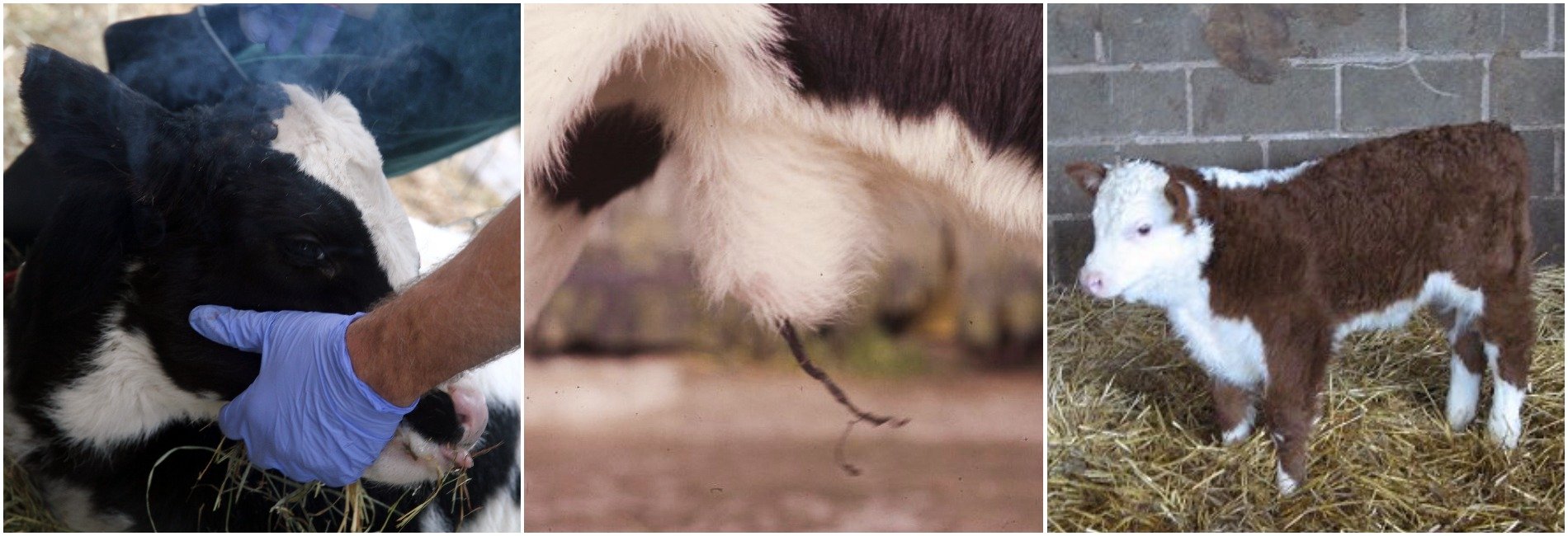
Navel infections are among the biggest threats to a newborn calf in their first few hours. In some parts of the world it accounts for over 1 in 5 of all preweaning deaths related to disease.
The navel is the remnant of the umbilical cord, a tube like structure that connects the unborn calf and the dam so that the calf has access to the dam’s blood supply.
Generally, the way to prevent navel infection is to dip or spray the naval soon after the calf has been born. If a navel infection takes hold, it can lead to liver problems, joint ill, respiratory disease and even death.
If you don’t look for navel infections you will find them too late. Even when your calf has been treated, it is pivotal that you perform a navel examination on the calf.