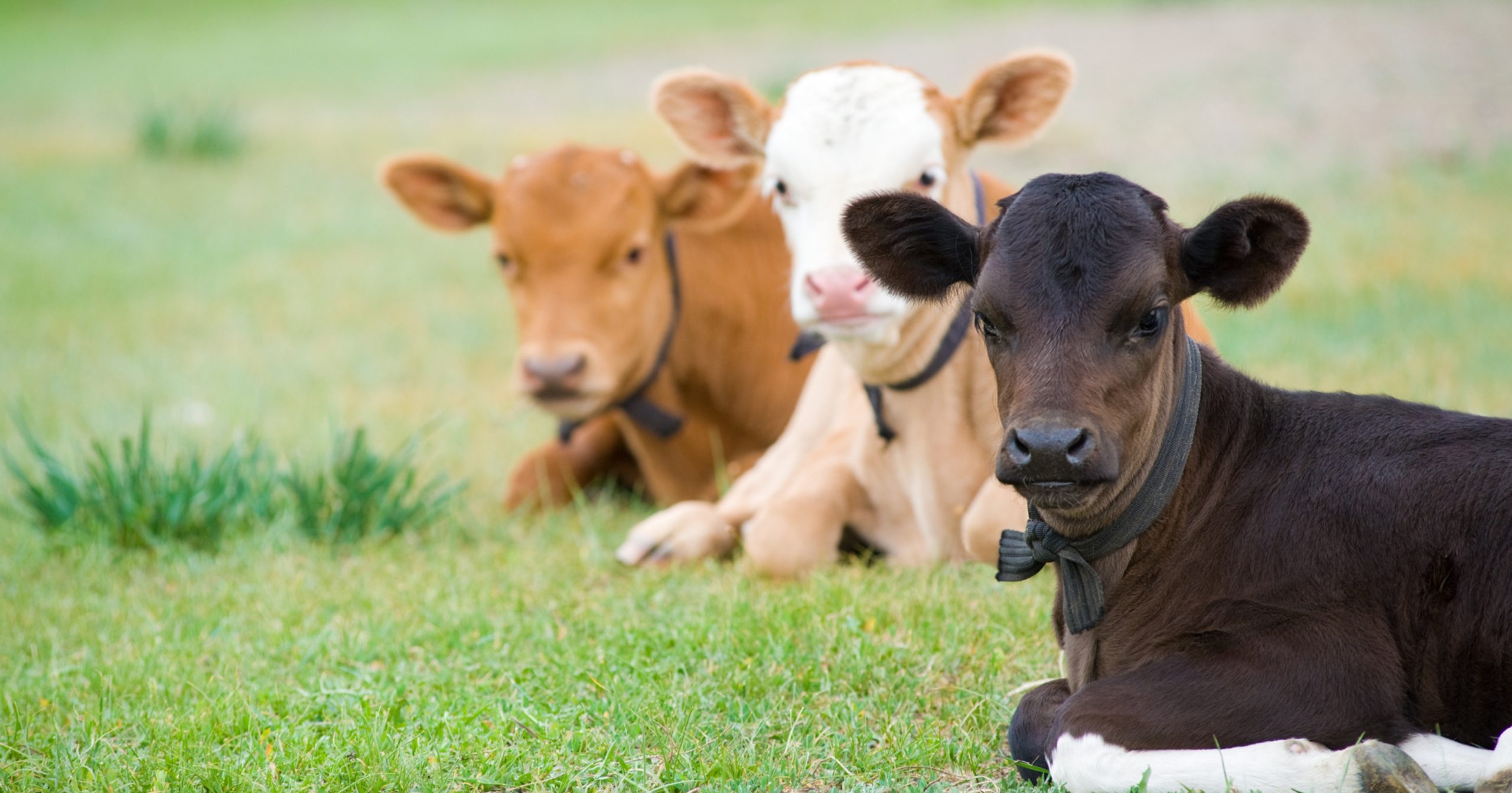

While it is stressful enough trying to get calves on the ground during calving season, that is not the end of the job for the cattleman.
Calves are born with an underdeveloped immune system which makes them prone to infections and diseases older animals wouldn’t be.
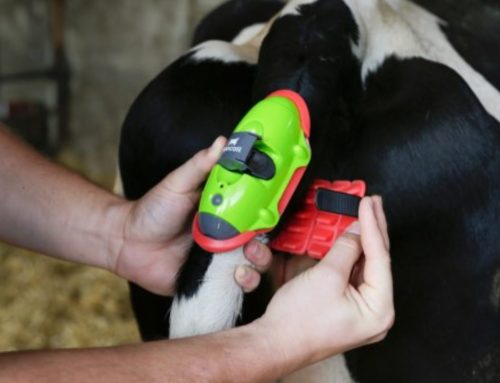
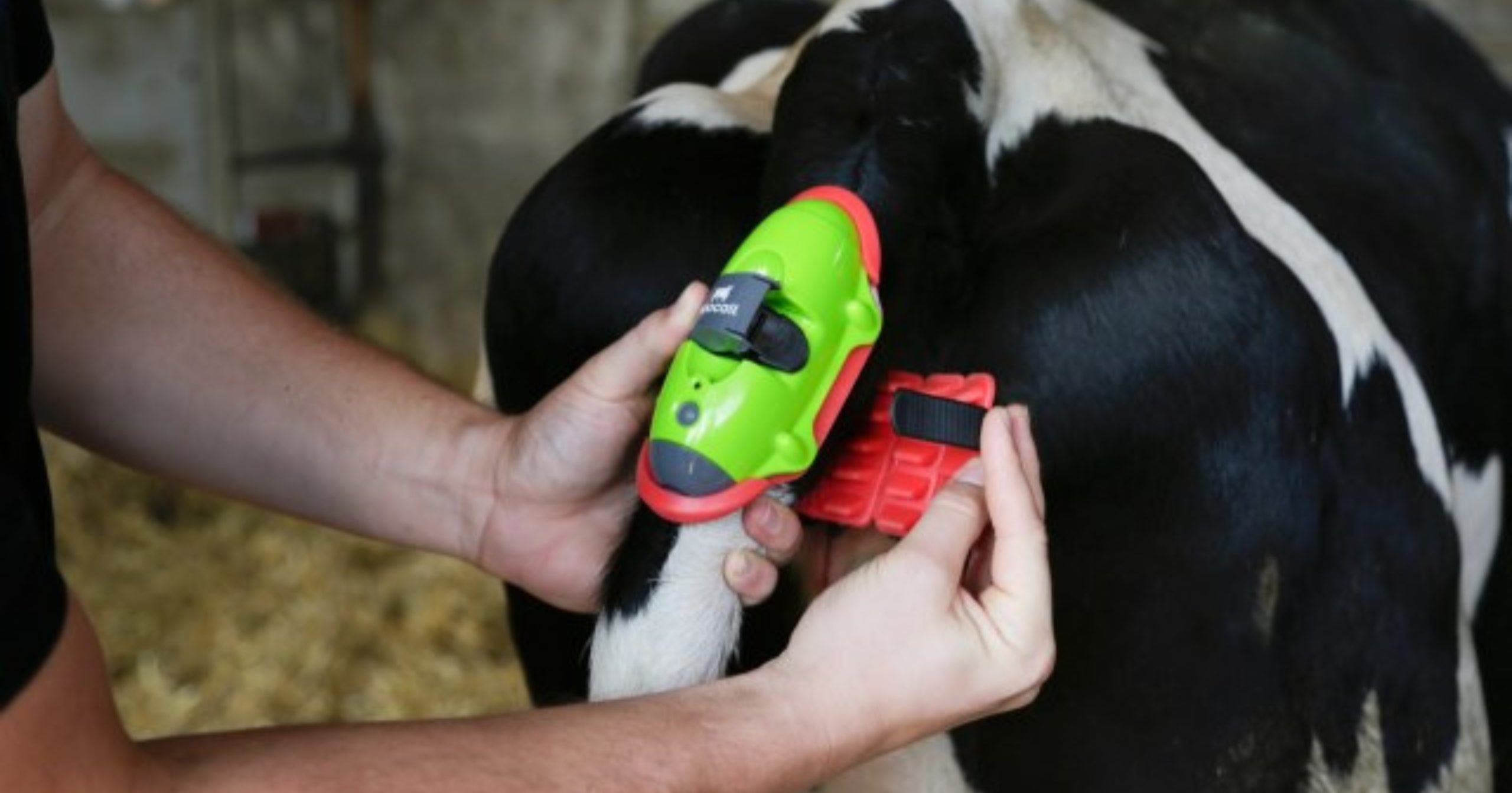
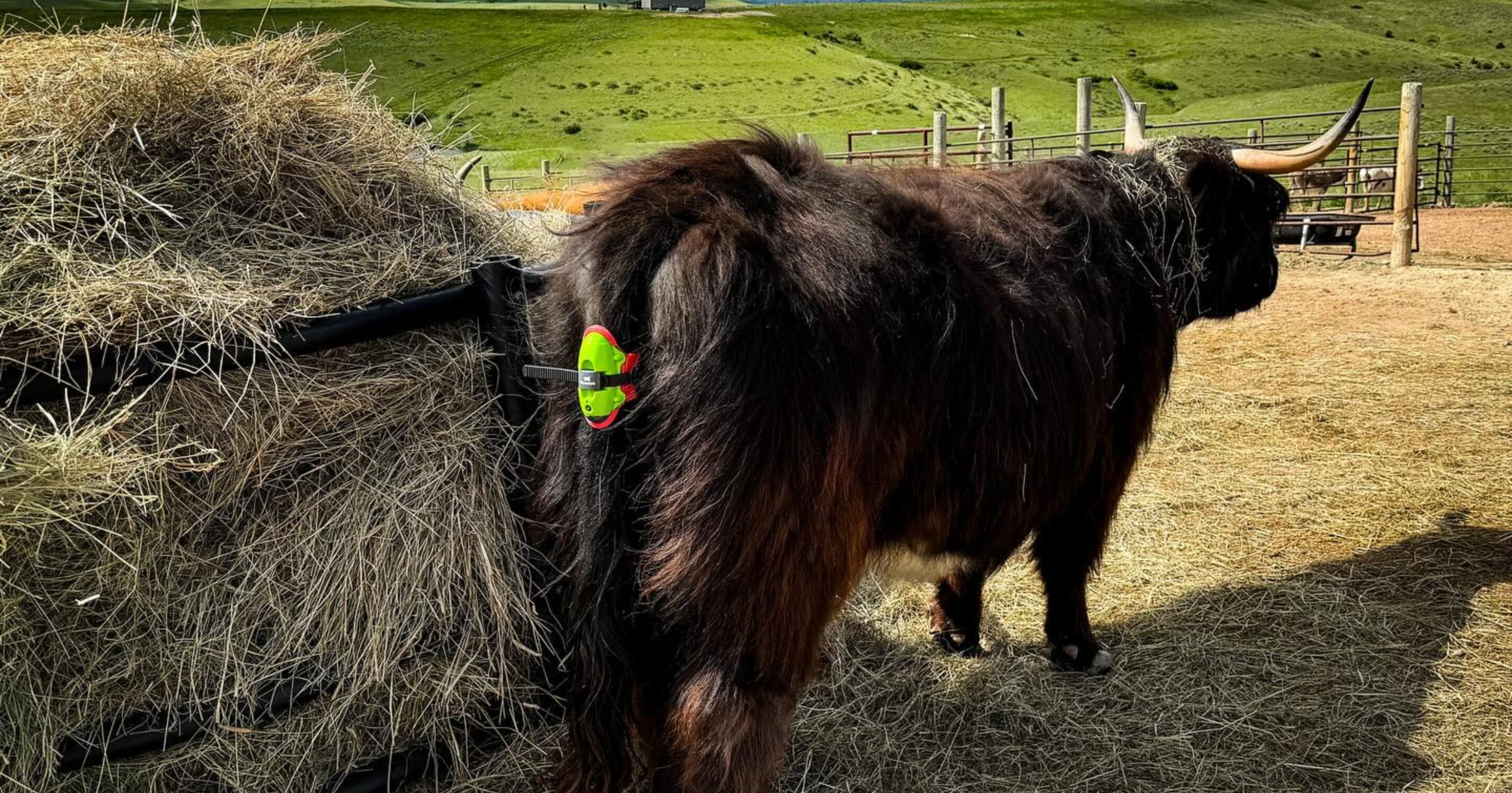
While the Moocall calving sensor is useful for stopping calf mortality during the calving event, it is also useful afterwards when immediate intervention is necessary to stop the calf contracting a deadly disease.
Here are just a few things you should be looking out for:
Article Chapters
Johne’s Disease
Cause
A bacteria called Mycobacterium avium subspecies paratuberculosis. It is passed on if a calf ingests infected colostrum or infected manure. It then damages the gut wall.
Symptom
Calves are occasionally infected at birth when the mother is in advanced stage of the disease. If a newborn becomes infected, signs of this aren’t likely to surface until two or more years later. Because of this, you’ll want to be checking out the dam for symptoms instead.
The main symptoms are weight loss and scour.

Prevention
- Remove the calf from the calving pens soon as possible and introduce them to a clean dry and uncontaminated environment.
- Collect the colostrum yourself and make sure your hands are clean
- Only feed colostrum from test negative cows.
The Moocall calving sensor can be used to achieve all previous steps by the fact you’re on the scene much earlier.
Solution
There is no known cure for this disease and it affects 1 in 5 herds in Ireland.
Calf Pneumonia
Cause
Complex interaction between viral and bacterial pathogens, environmental stress factors and the animal’s own resilience to disease
Symptom
Temperature greater than 39.5C, Increased breathing rate and effort, coughing, nasal discharge

Prevention
- Well ventilated facilities reduces the risk of calves developing respiratory infections or pneumonia. Badly ventilated sheds retain too much moisture in the air and let it gather into droplets, and then puddles. These are the perfect breeding ground for harmful bacteria.
- Keep calves dry and well-bedded. Calves are not born with a winter hair coat so they need that extra layer to help keep them strong and healthy. Additionally they need to be in a clean place so refresh it regularly.
- Feed enough milk to keep the calf warm, and healthy especially during cold weather.
- Avoid nose to nose contact, Infectious saliva and moisture from the respiratory tract can cause pneumonia to spread from calf to calf.
- Keep age groups separated in group housing, older calves will have a more developed immune system.
- Vaccinate the cow/heifer and the protection is transferred via colostrum.
- Avoid buying calves that could carry new bugs.
- Prevent aspiration pneumonia caused by incorrect feeding.
- Minimise weaning stress by leaving rehousing, tagging and dehorning until later.
- Vaccinate the calf before group housing.
Solution – A vet will provide the correct antibiotics, but as they grow less effective, more focus needs to be on prevention.
Bleeding Calf Syndrome
Cause
The disease is caused by antibodies absorbed from this colostrum. These antibodies attack the bone marrow cells in the calf after suckling which almost destroy it completely.
This leaves the calf unable to produce red and white blood cells, leaving the calf without a functioning immune system.
While Bleeding Calf Syndrome was linked to a Bovine Viral Diarrhoea (BVD) vaccine, the exact nature of the connection is unclear.
Symptom
Their bodies can’t create blood clots, which causes the bleeding effect

Prevention
If your cow’s colostrum causes Bleeding Calf Syndrome once, it will always cause it.
When you know this you can make sure to stop the calf from suckling. Moocall can be useful in this case as you can be there to take control of the situation.
Solution
There is no cure for this condition; it first appeared in 2007. However since the vaccine has been pulled from market it should disappear over time.
Liver Fluke
Cause
Ingestion by cattle at pasture.
Symptom
loss of weight, anaemia, severe liver damage, susception to other disease.

Prevention
Fence off wet areas, attend to leaky troughs and pipes, drain your land or house your animals early. Take note if it is affecting your sheep herd
Solution
You can dose your cattle for it at housing. While this isn’t directly connected to calving or the calf, it can hinder the calving process due to your cow having a lower Body Condition Score (BCS).
Scours
Scours is not a specific disease but it is a symptom of another disease. There are a number that could bring about scours.
Noninfectious

Cryptosporidiosis
Coccidia

Salmonella
E. coli K99 bacteria

Coronavirus
Rotavirus

Prevention of scours
- All calves get colostrum
- Vaccinate cows
- Keep calving area clean
- Calf in dry areas
- Segregate calves by age
- Keep a good feeding programme for the cow during gestation
Explore these steps in more detail here: https://moocall.com/blogs/calving/preventing-calf-scours-at-calving-time
Solution to scours
Rehydration by oral and or parental means. Death in young calves by diarrhoea is mainly attributed to fluid losses, electrolyte imbalances and increased excretion of water, minerals and nutrients.
Because every cause of scours is so different, it is worth consulting your vet about for a proper solution.
What other diseases do you look out for at calving time? What preventative measures do you take? Tell us in the comments below, and share this post.