
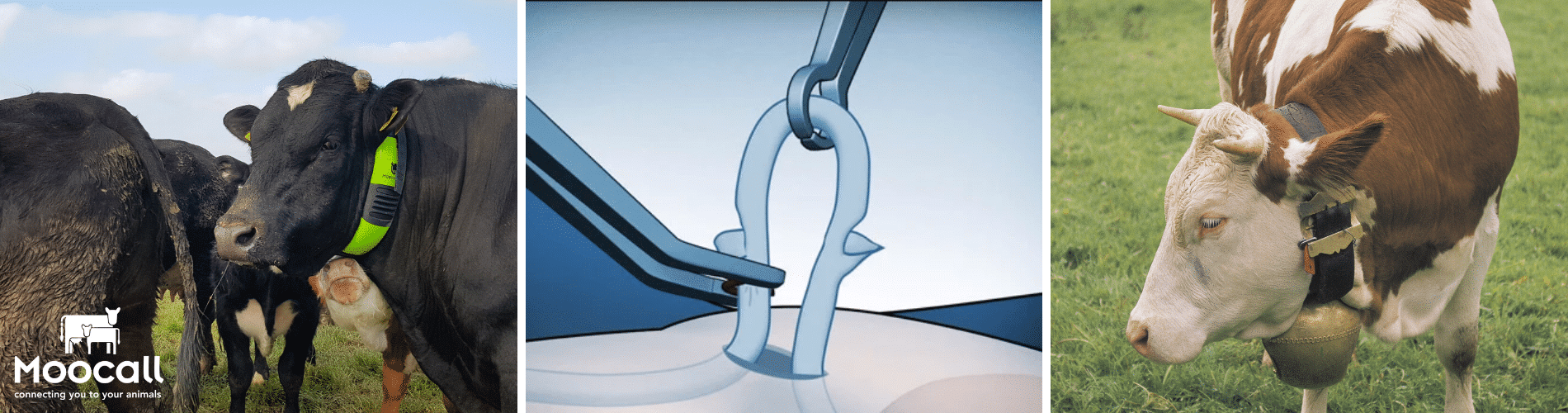
A teaser bull is the best option for farmers aiming to transition to AI. However a lot of people are unsure about what effect the procedure has.
This blog post will let you know what you’re getting in for. Once you give him the snip, there’s no going back.
Article Chapters
Won’t he act differently?
Vasectomised bulls are not the same as Castrated bulls. Castration is the removal of the testicles which leaves them infertile.
A vasectomy is a surgical procedure to cut and seal the “vas deferens”, or the tube used to transport semen from the testicles to the penis, thereby rendering the bull infertile.
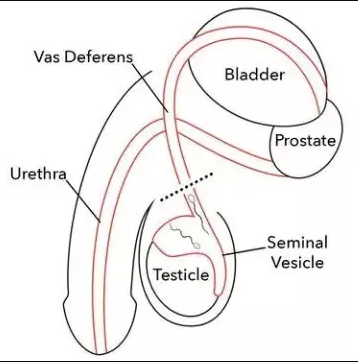
However, the bull can still produce testosterone, so he will keep all his bull-like characteristics, eg:size, personality, and libido, and the want to breed.
He will not get any of the females pregnant. He can still ejaculate, but he’ll be firing blanks.

Caution
It is for this reason you should exercise caution when you’re handling vasectomised bulls. It is recommended that you give him a nose ring to make this easier.

Keep enough bulls for herd
It is recommended that you should have one teaser bull for every 50 breeding cows or heifers. If you give him too much work he can become exhausted and your heat detection unit is out of order for the day.
Must be healthy
A healthy bull is especially important when you’re buying one in from another farm. Make sure you’re buying him from a source you know and trust.
Quarantine him until he has tested negative for BVD and IBR. Inspect him for good legs and feet, and make sure he’s a similar height to the cows he is serving. If he has conditions like rotfoot it could affect his libido.

Must be 8 weeks from surgery
This is paramount if you are looking to get sorted with a vasectomised bull for heat detection purposes. After the bull has his vasectomy procedure, he must be kept away from the breeding cattle for 6 weeks. This is partly due to recovery, but also because there is a chance he could still impregnate the cattle.
The bull will still have a stock of viable sperm upstream beyond the surgery site and can remain viable to create pregnancy for almost two months.
If you are thinking about breeding and heat detection for the near future, consult your vet about vasectomising one of your bulls as soon as possible because in 6 weeks it could be too late.
Yearling bulls
The young, inexperienced bull will typically cover the in-heat cow with numerous marks over her head, sides, rump and back, whereas the experienced bull in his second year or after will be more discreet. This has advantages and drawbacks.

Heat detection with a teaser bull
While you can rely on your own eyes to know if your cattle are in heat using a teaser bull, you can also use other methods of heat detection.
Chin Ball
The most popular method of heat detection with Teaser bulls is using a chin ball. Chin balls are a collar attached to the bull that spread paint onto the cow to prove that it has mounted.
As mentioned earlier, a yearling bull might not be as experienced at his work than an older bull and may make more of a mess with paint, however this could be to the farmer’s advantage because of that.

The chin ball should be fitted to the vasectomised bull at least one week before the planned start of breeding so he can get used to it.
Sensor System
Most dairy systems that exist offer secondary features that can pick up heat in cattle. However these tend to be attached to the cow themselves. Unfortunately they are extremely expensive limiting it only to the biggest dairy operations.
Moocall’s latest product Moocall HEAT takes the technology of the sensor systems, and the natural advantage of the bull and turns it into an ideal heat sensor.
It is cheaper than the other sensor systems that detect heat making it affordable to suckler and dairy operations of all sizes.

Learn more about Moocall HEAT here: https://moocall.com/pages/moocall-heat-information
