

A retained fetal membrane, or retained placenta is when a cow or heifer doesn’t get rid of their afterbirth within 24 hours after parturition. This usually occurs 3-8 hours after calf delivery.
The incidence of retained afterbirth in healthy dairy cows is quite high, and ranges from 5-15%, whilst it is generally lower in beef cows.
Other occasions where incidence is higher is after abnormal events which cause the cow’s hormones to be out of balance, such as the following:
- Abortions
- Twin births
- Dystocia
- Stillbirths
- Hypocalcemia
- High environmental temperatures
- Old age in the cow
- Premature birth of the calf
- Placentitis
- Nutritional disturbances
- Induction of parturition
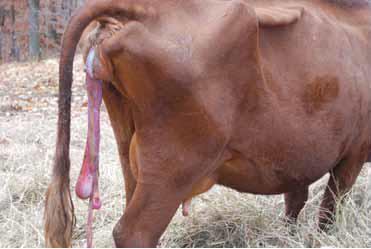
Usually, it is easy enough to see when this has happened; degenerating, discoloured and fetid membranes are seen hanging from the cow’s vulva over 24 hours after parturition.
However sometimes it isn’t as apparent as that because the membranes may remain within the uterus. In this case a foul smelling discharge can signal it.
While uncomplicated retention of fetal membranes aren’t directly harmful to the cow, they are at increased risk of conditions like metritis, ketosis, mastitis, and abortion in future pregnancies.

Article Chapters
Treatment and prevention
Research has found that supplementing herds with vitamin E and selenium is beneficial when they are deficient in those nutrients.
Manual removal of the retained fetal membranes isn’t recommended as you risk harming the animal. However, trimming of excess tissue that could contribute to gross contamination of the genital tract is acceptable.
Untreated cows take up to 11 days to expel the membranes, and antimicrobial use is recommended.
Some recommend a shot of oxytocin to otherwise healthy cattle to encourage the afterbirth to shed.
