About David Skelly

This author has not yet filled in any details.
So far David Skelly has created 141 blog entries.

Mature Weights In Cattle – Is Bigger Really Better?

2021-10-28T21:01:19+00:00February 20, 2018|Breeding|

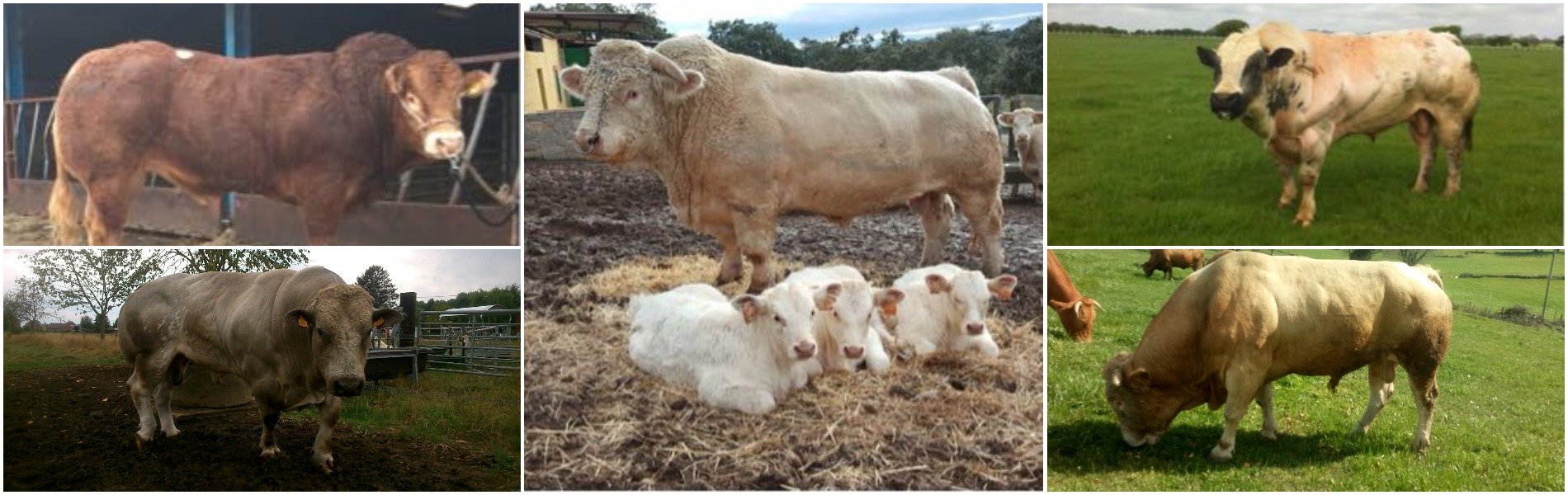
Many beef farmers place a good high mature weight as the most important factor when planning sires for the year ahead.

However, to go exclusively off that would be foolish, and if they are on a small to medium sized operation it could lead to problems down the line.

Comments Off on Mature Weights In Cattle – Is Bigger Really Better?

Uterine Prolapses & Vaginal Prolapses in Cattle

2021-10-28T21:01:34+00:00February 20, 2018|Calving|

A prolapse is the slipping forward or down of a part or organ of the body.

Uterine and Vaginal are both relatively common prolapses to occur at calving time. Here is a breakdown on both and what they mean to a beef producer.

Comments Off on Uterine Prolapses & Vaginal Prolapses in Cattle

How to Care for your Stock Bull

2021-10-28T21:02:08+00:00February 19, 2018|Breeding|

The stock bull is a fixture in many Irish suckler farms. However, while they are the primary method of getting cows and heifers in calf in most of these operations, 3-4% of bulls are infertile.

As well as that, a further 15-20% are partially or periodically infertile according to Teagasc.

While some of the latter figure is inevitable, some of it can be prevented with early intervention. And if you identify your infertile bull early, you can minimise your losses.

Comments Off on How to Care for your Stock Bull

What Makes Moocall HEAT Stand Out?

2021-10-28T21:02:16+00:00February 19, 2018|News|

Our latest product Moocall HEAT takes the hassle out of heat detection in cows and heifers.

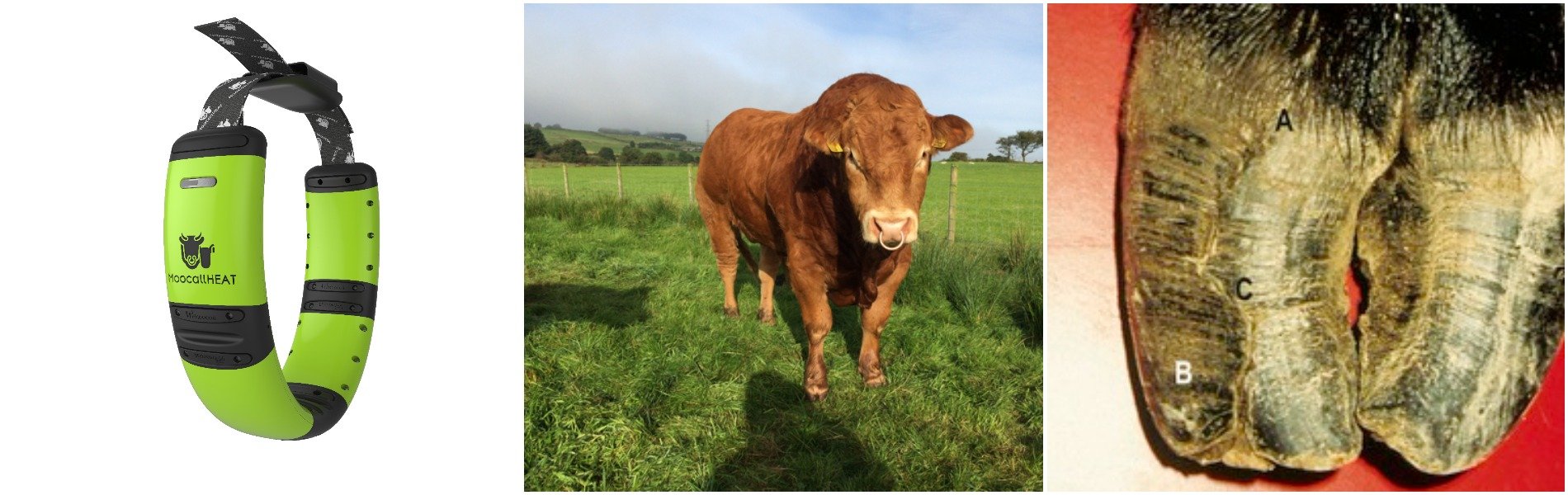
The system - made up of an electronic neck collar for the bull and Moocall RFID tags for the cow - detects 98% of heats in cattle including silent heats.

While farming technology already has some solutions to heat detection, here's what sets our product apart.

Comments Off on What Makes Moocall HEAT Stand Out?

Lameness & Arthritis in Bulls

2021-10-28T17:34:04+00:00February 16, 2018|Breeding|

Lameness in bulls is a major impediment to their reproductive performance - as you can well imagine, it makes their job a lot harder.

It is a common condition with 20-35% of cows suffering from it to some degree. If a bull has a lameness problem he probably won’t be able to perform his task.

Lameness in bulls can come about for a number of reasons, including:

Comments Off on Lameness & Arthritis in Bulls

6 Factors That Affect Stock Bull Fertility

2021-10-28T21:02:29+00:00February 16, 2018|News|

When it comes to bulls, fertility is of upmost importance. Their job is securing the future of your herd, and if he can't do that to his best ability then it can put a farmer out of pocket.

Sometimes you can help him, sometimes you can't. Here are a number of things that affect a bull's fertility.

Comments Off on 6 Factors That Affect Stock Bull Fertility

What to do When Your Cow Retains Her Fetal Membrane (Afterbirth)

2021-10-28T21:02:53+00:00February 15, 2018|Calving|

A retained fetal membrane, or retained placenta is when a cow or heifer doesn’t get rid of their afterbirth within 24 hours after parturition. This usually occurs 3-8 hours after calf delivery.

The incidence of retained afterbirth in healthy dairy cows is quite high, and ranges from 5-15%, whilst it is generally lower in beef cows.

Other occasions where incidence is higher is after abnormal events which cause the cow's hormones to be out of balance, such as the following:

Comments Off on What to do When Your Cow Retains Her Fetal Membrane (Afterbirth)

Why Feeding at Night Could Offset Calving

2021-10-28T17:39:57+00:00February 14, 2018|Calving|

Monitoring your herd at calving time is of paramount importance if you’re looking to wipe out calf mortality.

However, this can be difficult when you’ve only got 24 hours in the day and your cows could begin calving at any moment.

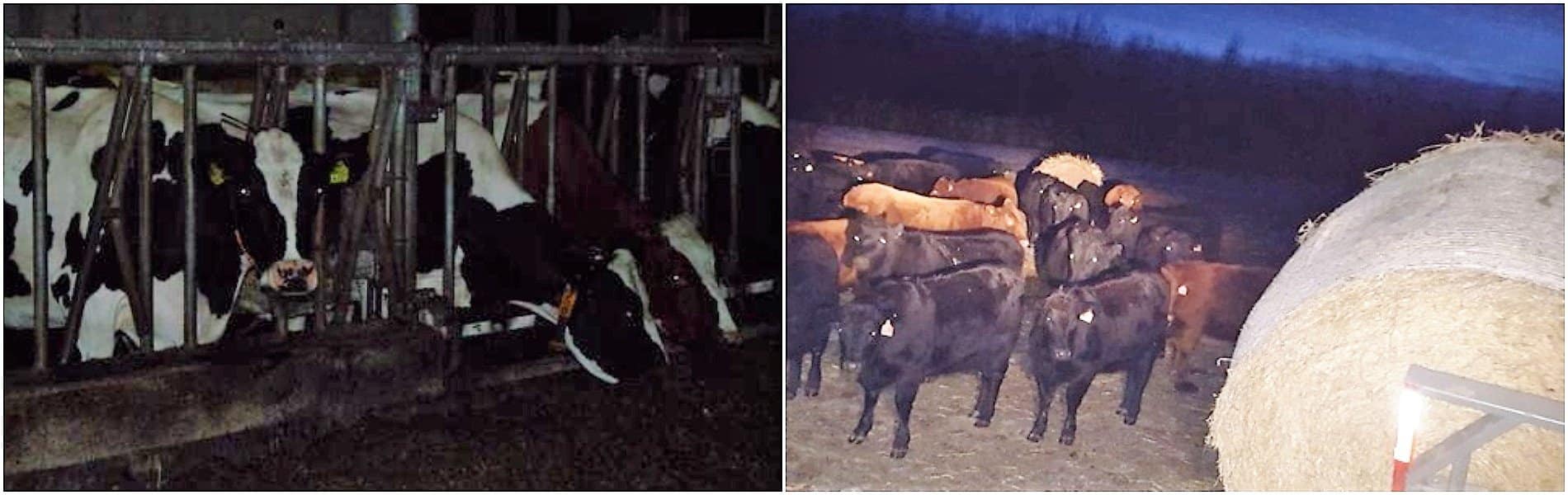
However, this one little trick could help it happen at the right time. Feed your calvers at night.

Comments Off on Why Feeding at Night Could Offset Calving

Twin Calves – What to Expect When You’re Expecting

2021-10-28T17:41:58+00:00February 12, 2018|Calving|

Getting twins instead of a single calf seems twice as good on the face of it, but as with most things, there’s a catch. Breeding for twins isn’t for everyone, but it can suit some operations. Here are the pros weighed up against the cons.

Comments Off on Twin Calves – What to Expect When You’re Expecting

How to Deliver a Calf with Abnormal Anterior (Front Facing) Presentation

2021-10-28T21:03:14+00:00February 9, 2018|Calving|

Calving difficulties are the bane of every cattleman, and they are as unpredictable as they are inescapable.

However as abnormal presentations go, you could do worse than an anterior one.

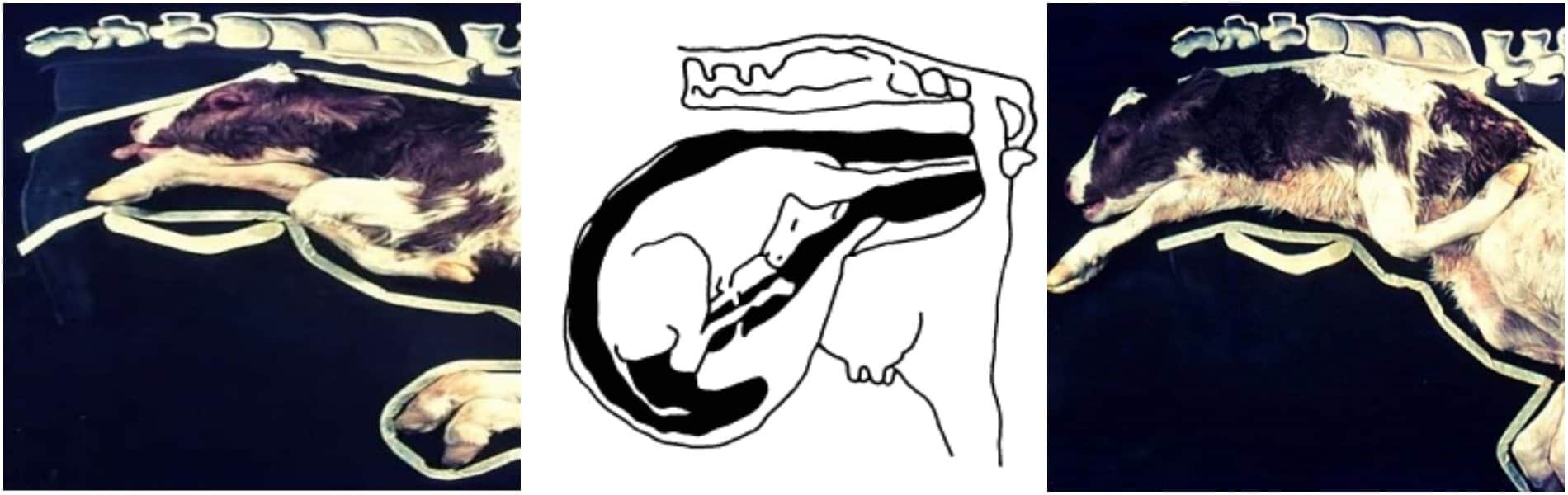
However, in these abnormal cases, one or more of the pieces crucial to a normal anterior calving are missing. Here's what to do in each case.

Comments Off on How to Deliver a Calf with Abnormal Anterior (Front Facing) Presentation
Go to Top