Advice on Teaser Bulls by Vet Conor Melvin
As breeding season closes in farmers are thinking more and more about heat detection and how they can achieve the highest possible conception rates.
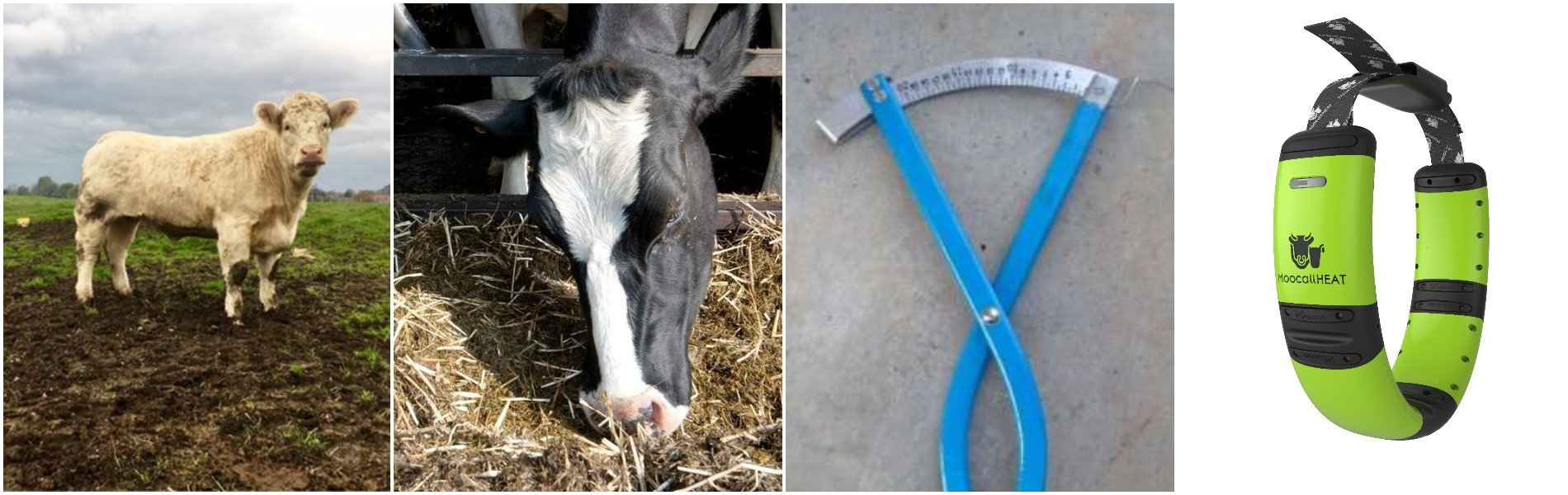
There are a lot of things to be considered when you decide to rely on vasectomised bulls for heat detection, so we had a chat about it with Dublin agricultural vet Conor Melvin.
Moocall HEAT is most effective when used with a vasectomised bull and AI, but because of the 6 week waiting time after the procedure, now is the time to be buying them in, or getting the procedure done.
How to Prevent Cryptosporidiosis in Calves
One of the biggest calf killers in Ireland, north and south, is scour. It is responsible for 40% of calf deaths. The threat of Cryptosporidiosis is increasing every year.
Cryptosporidiosis is caused by a parasite called cryptosporidium and is usually seen in young calves in their second week. Regular symptoms of crypto in an infected calf are diarrhoea, dehydration, loss of appetite, fever and abdominal pain.
Find out how to prevent this disease and how the Moocall Calving Sensor can play a part.
New Discount Policy & Renewals Price Increases Outside Ireland
Due to increased operating costs, we are slightly raising the price of renewals for Moocall calving sensors outside of Ireland. This change will allow [...]
Wipe Out Antibiotics on Your Organic Farm with Moocall Calving Sensor
Organic farming may seem limiting, with certain medicines and fertilisers being banned, but that doesn’t mean modern technology can’t aid you in making it as efficient as possible!
Restrictions on antibiotics unless specially indicated for can make organic farming a risky business. But good stockmanship paired with our calving sensor is a huge asset can take the prospect of certain illnesses out of the equation early.
Simply being there as the calf comes out means that you can take the necessary steps to stop disease in its tracks before it begins. Because a calf’s immune system is nearly non-existent, any intervention you make have a massive effect on the calf’s development in the future.
How Deer Could Be a Disease Risk on Your Farm
While deer are stunning animals, cattle farmers shouldn’t get too taken with them. They could potentially carry many risks to their herd.
Deer have been known to spreading diseases like TB and Schmallenberg virus which have ravaged Irish cattle herds in recent years.
TB is a notifiable disease and tests for it are compulsory on cattle farms. Schmallenberg virus isn’t a notifiable illness, but it can cause devastating deformities in calves.
When we think of the spread of bovine TB, more often than not we think of badgers. They are the most commonly infected wildlife species.
However deer can also carry the infection. Although bovine TB is less widespread in them, a cow is a lot more likely to interact with a deer if they happen to be near one another.
Reducing Cost & Increasing Efficiency at Breeding
When it comes to running a cattle operation, scrimping isn’t really saving because you will end up paying for it later.
However, if you do things the right way, you can save yourself a lot of money and it won’t have an adverse effect on the performance of your operation.
Breeding is one place you can make savings, partly owing to the fact that you can prepare for it well in advance.
How Hen Egg Antibodies Fortify Your Calf’s Immune System
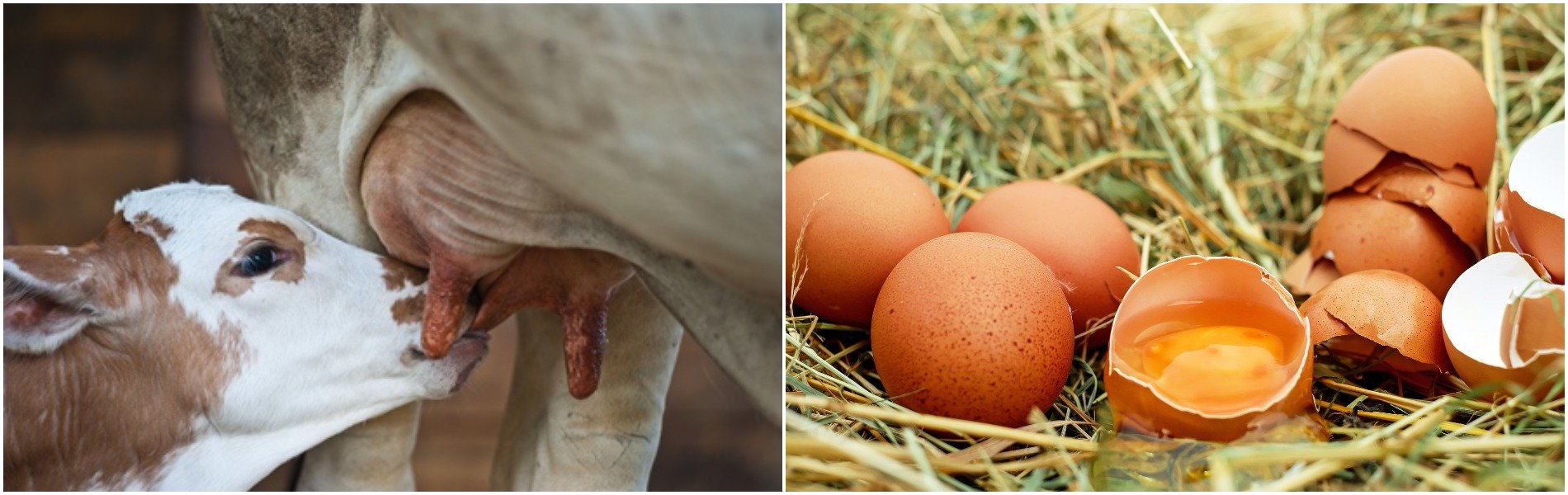
When a calf gets colostrum from their mother it kick starts their almost non-existent immune system and in the meantime it gives them some passive immunity.
It is a temporary boost until their immune system develops enough to do its job.
However, sometimes a calf doesn’t get enough from colostrum to protect them. This could be for a number of reasons either relating to the cow, or to the environment the calf is born into.
Even if the calf gets enough colostrum, there are blind spots. For example, there is one immediately after birth and before passive immunity begins.
Another exists at 4-7 weeks when the protection of passive immunity disappears but before the calf’s active immune system builds up
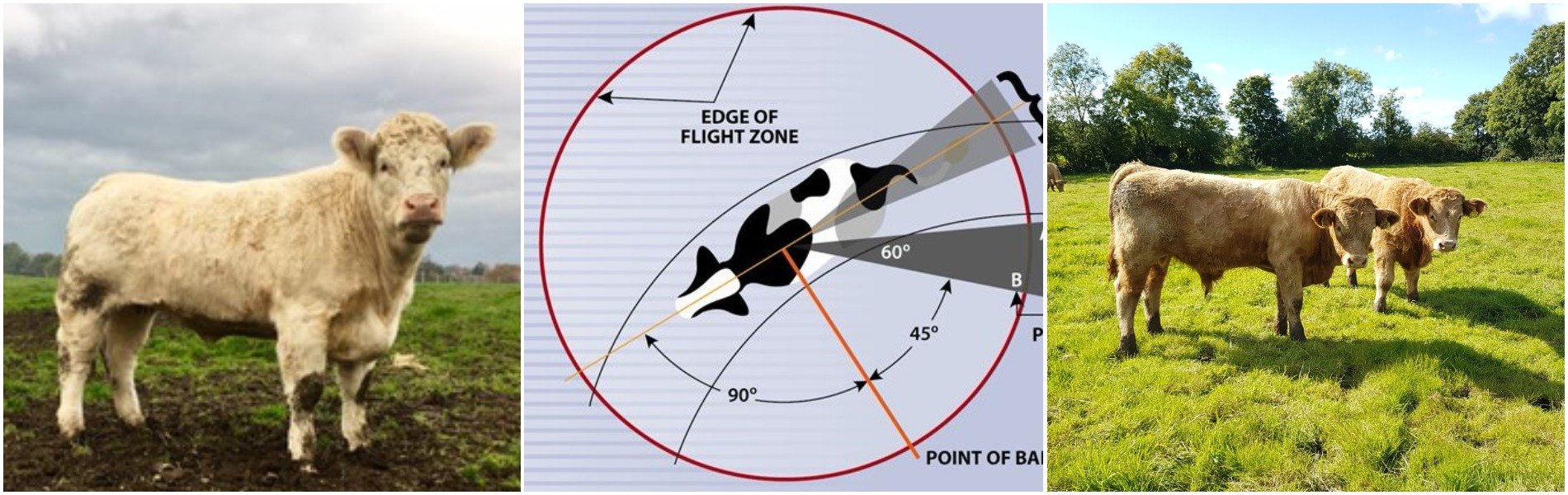
Preventing Bull Attacks
Bulls are among the most dangerous domesticated animals due to their size, strength and unpredictable temperament.
For this reason, farmers need to behave with extreme caution at all times around them, even if the bull seems docile.
You need to know what to look for if bull is threatening you, how to get out of that bind, and how to prevent yourself from getting into it in the first place.
Here are a few tips that we should all follow when keeping and handling a bull.
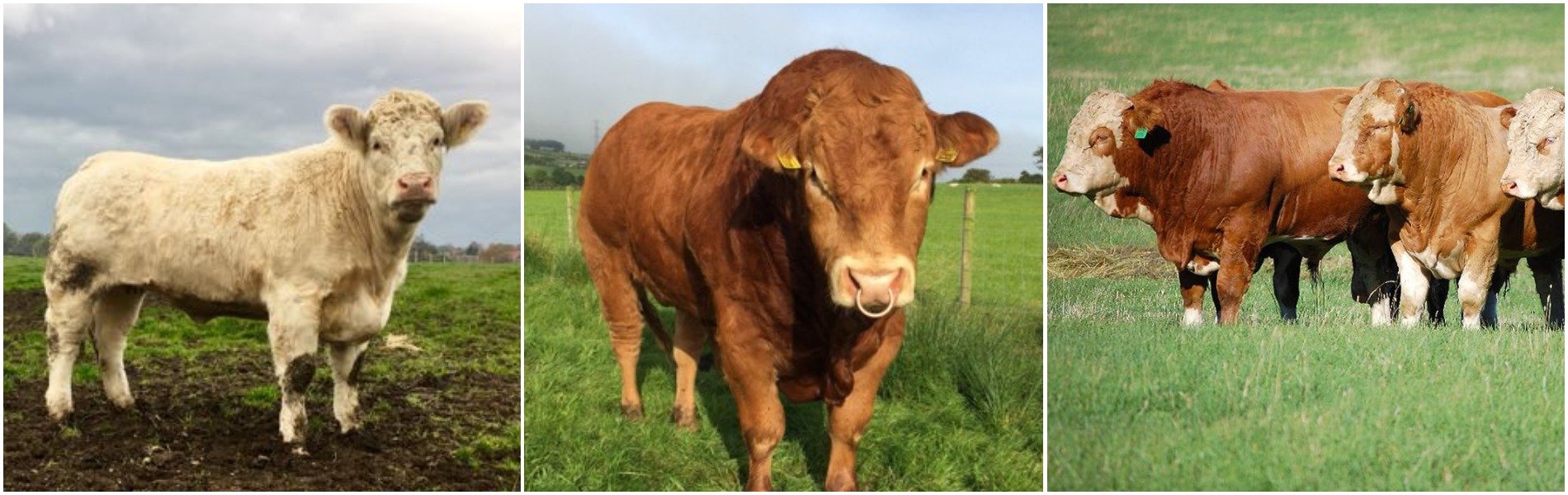
Tips For Handling Your Bull
Bulls require very different care to cows, and taking them out to grazing requires some special considerations.
Maintaining your bull’s body condition score (BCS) and keeping him uninjured (this could render him sub-fertile) is key to making your investment worthwhile.
Here are just a few things you should be considering when letting your bull out for grazing.
How to Handle Pelvic Defects in Cows
When you are rearing cattle, every now and again genetic defects raise their heads. While many types of birth defects are manageable and are [...]