Effects of Hot Weather on Heat Detection & Breeding
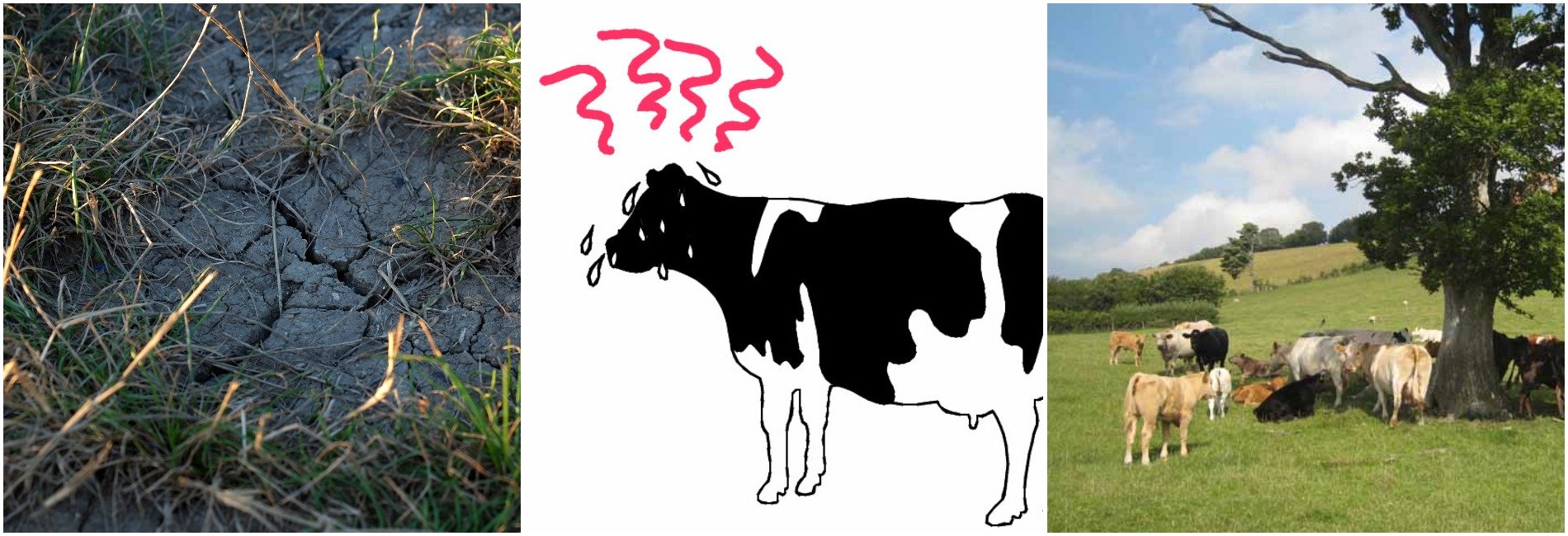
While good weather can be of huge benefit for farmers, it can also be a roadblock if it hangs around for too long or is too intense.
It can make heat detection and breeding more difficult in myriad ways, and here are just a few of them:
From Heat Detection to Calving – We Have Breeding Covered
It is important to bear in mind that most things you do when rearing cattle is aimed at getting them to reproduce at the [...]
Moocall HEAT Opens Doors to New Heat Detection In Dairy Farms
Dairy farmers are spoilt for choice when it comes to heat detection systems for their cattle. But the options that are out there don’t [...]
We Have the Technology – The Argument for AI in a Beef/Suckler Herd
Artificial Insemination hasn’t traditionally been the main port of call for suckler farmers around the world for numerous reasons, but Moocall HEAT could change [...]
When to Attach the Moocall Calving Sensor
Timing is key when it comes to attaching your Moocall sensor.
A broad rule of thumb with the sensor should attach it 10 days max before your cow's due date.
Most farmers look for the following physical signs before attaching the calving sensor:
How to Prevent Navel Infections – A Leading Cause of Calf Deaths
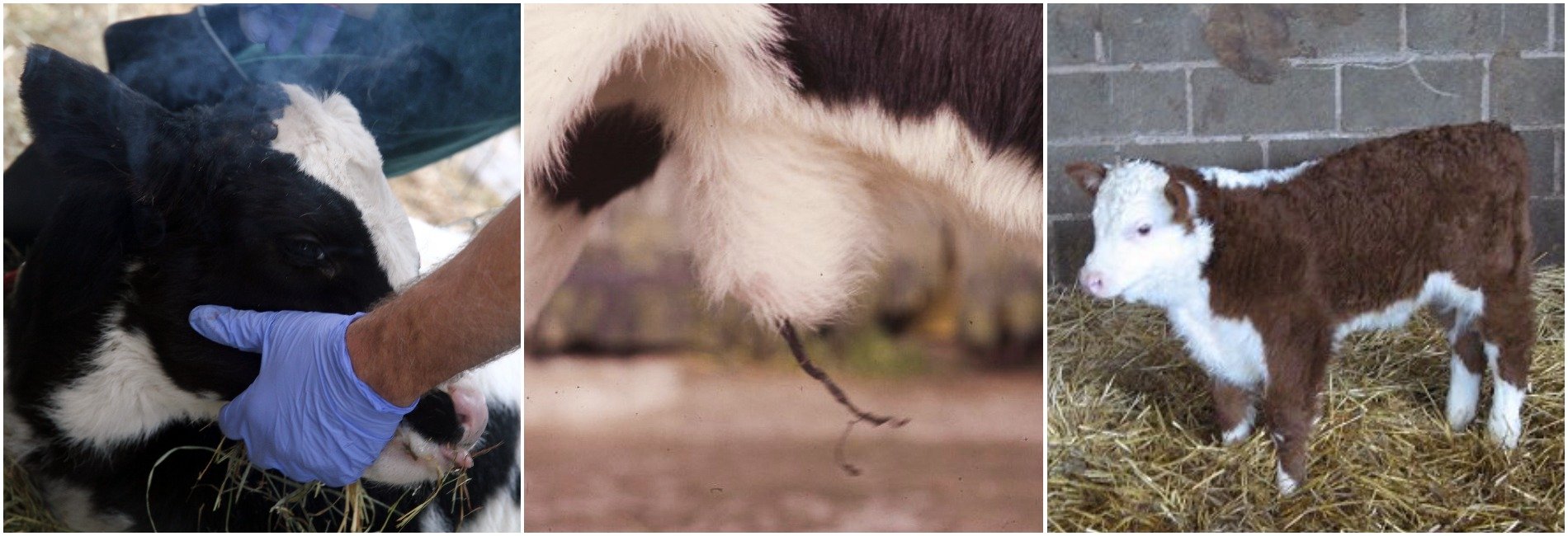
Navel infections are among the biggest threats to a newborn calf in their first few hours. In some parts of the world it accounts for over 1 in 5 of all preweaning deaths related to disease.
The navel is the remnant of the umbilical cord, a tube like structure that connects the unborn calf and the dam so that the calf has access to the dam’s blood supply.
Generally, the way to prevent navel infection is to dip or spray the naval soon after the calf has been born. If a navel infection takes hold, it can lead to liver problems, joint ill, respiratory disease and even death.
If you don’t look for navel infections you will find them too late. Even when your calf has been treated, it is pivotal that you perform a navel examination on the calf.
Using a Vasectomised Bull In Breeding
Â
Bulls - specifically vasectomised bulls for the purposes of this article - are the best heat detectors out there. They even catch silent heats that you would miss with systems without them.
Here we will talk about the merits of keeping a vasectomised bull on your operation.
‘Bull Proofing’ the Moocall HEAT
Despite being so simple to use, the Moocall HEAT sensor is designed in a very sophisticated way.
It took hundreds of hours of careful testing tweaking and painstaking redesign to make sure you get the best heat detection experience technology can offer.
Almost 50 dairy farms were involved in testing the Moocall HEAT system throughout development.
Managing a Work/Life Balance
While running your farm and making sure you get the most out of it as a business as possible is important, it is also important not to overload yourself.
Managing a work/life balance is something many people struggle with, however with farmers it can be even more difficult as there is always something else you can be doing.
Part-time farmers in particular find it difficult to get a break, as most of their down time is spent in what is essentially a second job.
While it might seem like a necessary evil, it can actually have some drawbacks that will make you question whether it is worth it.
Value of a Teaser Bull
One of the biggest deterrents farmers have before investing in a teaser bull is the price of bringing one in.
But from a business perspective, it is wrong to look at it in that way. This isn’t sinking your money into something. Think of it as a deposit on an even bigger saving down the line.
Teaser Bulls - bulls who undergo a vasectomy procedure to render them effectively sterile - are commonly used in heat detection. Although they cannot impregnate any of the cattle, they can still pick up heats just as well as any stock bull.