Calving Cameras vs Moocall Calving Sensors
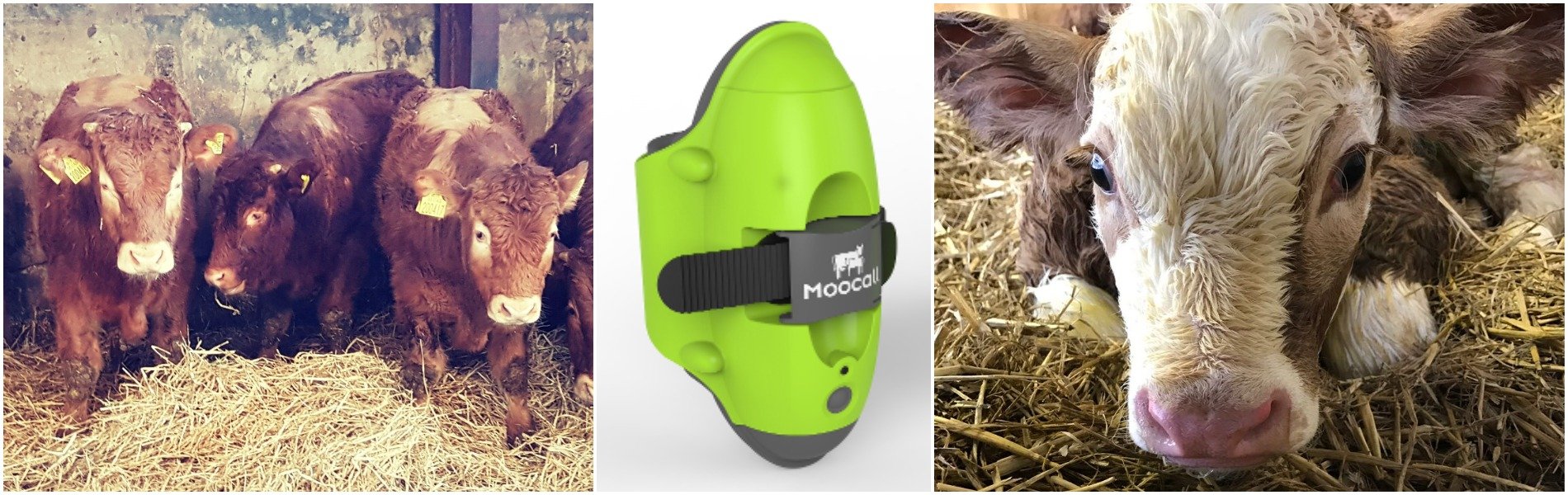
One common misconception people have when buying calving equipment is that the Moocall calving sensor and calving cameras serve the same purpose.
Because of this, people often pick one, and leave the other at the wayside.
However, while both devices help you keep track of calving, they do it in very different ways.
Here's what they offer:
How Many Moocall Calving Sensors Do You Need? Cost/Benefit Analysis
One important consideration before investing in a Moocall calving sensor is to know how many devices you’ll need to cover your herd at calving [...]
How Breedmanager App’s Smart Lists Vastly Improve Farm Efficiency
As beef and dairy sectors get increasingly competitive, efficiency and good organisation of farm operations becomes much more important.
Working smarter instead of harder can give you gains you wouldn’t have reaped in a month of Sundays.
One way you can achieve this is by using our free Breedmanager app Smart Lists to help manage your operation.
Each of the 4 lists work in a very similar way, so once you get the hang of one you’ll have them all sussed.
How to Reduce Johne’s Disease Risk at Calving Time
Cattle farmers should be extra vigilant in preventing Johne's disease at calving time.
While it isn’t a hereditary disease, it can be passed on via an infected mother’s colostrum.
However certain measures, along with a Moocall calving sensor, can help you be there to stop that from happening.
Why Moocall Calving Sensor & Breedmanager App Are Great Together
A well planned calving season is, more often than not, a successful calving season.
For many farmers, the Moocall calving sensor is key at calving time - but did you know it can be even better at if you use it with our Breedmanager app?
Ahead of a busy spring calving season, here are just a few advantages you can have when you use the app and the device in tandem.
The Heat Cycle of Cows
Welcome back, we are continuing in our series on the reproduction cycle of the cow.
In my last post we brought our cow through from just having given birth back to normal conditions to begin cycling again.
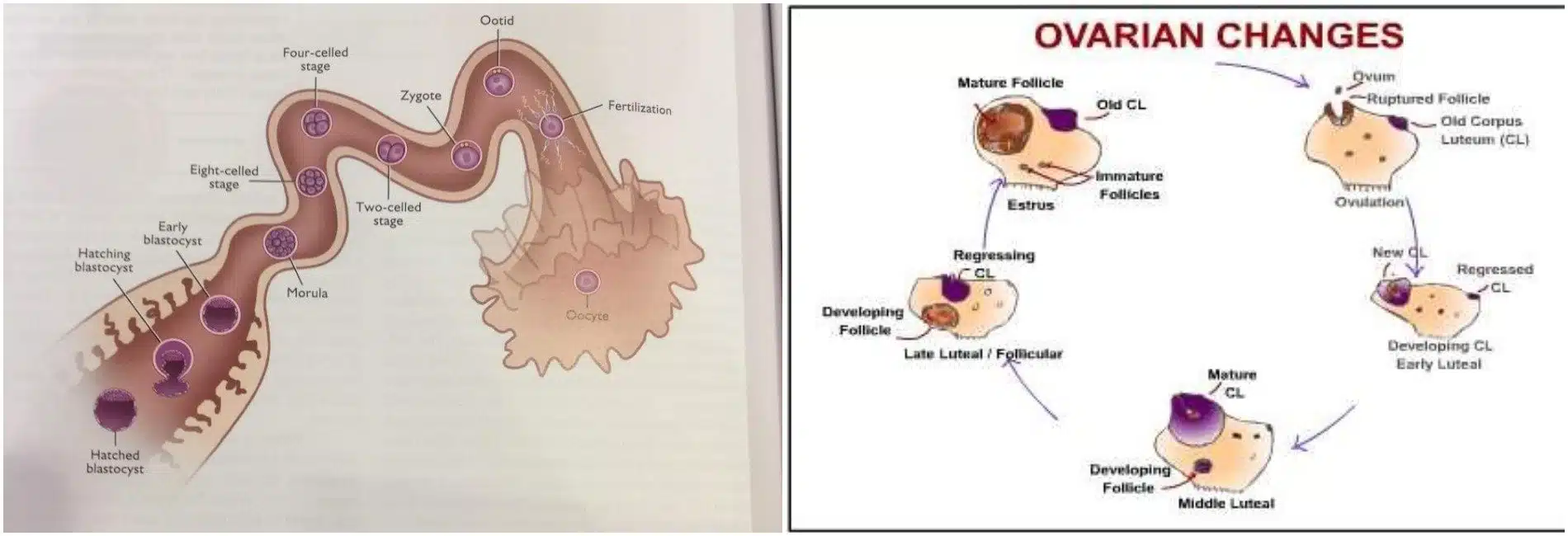
Now it’s time to discuss how that works and see what’s going on beside mounting all over the place flattening grass.
There are quite a few names going to be tossed around so here’s a quick reference if you need it:
Oestrus-the actual heat event
Estradiol-what makes the cow show all the signs of heat
Corpus Lutuem (CL)- The yellow body formed after ovulation
Corpus Albicans- the white remains of a regressed CL
Graafian Follicle- what the egg is stored in from birth to the heat it matures in
Prostaglandin (PGF2α)- the hormone that resets the cycle by regressing the CL, found in Estrumate and similar products
Heat Detection Methods
Heat detection is one of the most important tasks in any cattle system.
Whether it’s beef or dairy, farmers need to play close attention during their breeding season to keep their calving compact.
Visual detection can only go so far and particularly as the season draws on, there are plenty of other jobs to do over watching for signs of mounting twice a day.
While some farmers prefer to not engage in active heat detection and leave it to a stock bull, you are taking a risk by not monitoring your herd closely.
Artificial insemination is becoming increasingly popular as stock bull genetics can only go so far.
While AI companies are constantly improving at the cutting edge of genetic progression and with recent Irish programs stipulating a 4 or 5 star rating for a sire, a stock bull is becoming a less attractive option.
Busy farmers have numerous options available to aid heat detection and increase submission rates.
4 Reasons the Red Rubber for the Moocall Calving Sensor is Brilliant
If you are a Moocall owner and don’t have one of these, you should!
Why, you ask? Well here are four good reasons to get your hands on the new red rubber for the Moocall calving sensor:
Reasons Behind Abortion in Cows
It’s tricky enough to get a cow in calf, and that’s before the worries that come with the gestation period itself. Abortion in cattle [...]
A Guide to Liver Fluke
A liver fluke is a parasitic worm that commonly lives off cattle, sheep and other livestock.
Cattle can pick them up while out at pasture, and if not treated can drastically affect their performance, and cause liver damage.
The disease they cause is called fasciolosis. Cattle typically develop chronic disease and classically show loss of weight, condition and become anaemic.